productlist

Manganese Dioxide Reagent Grade: Confirm the Right Specification

manganese dioxide reagent grade

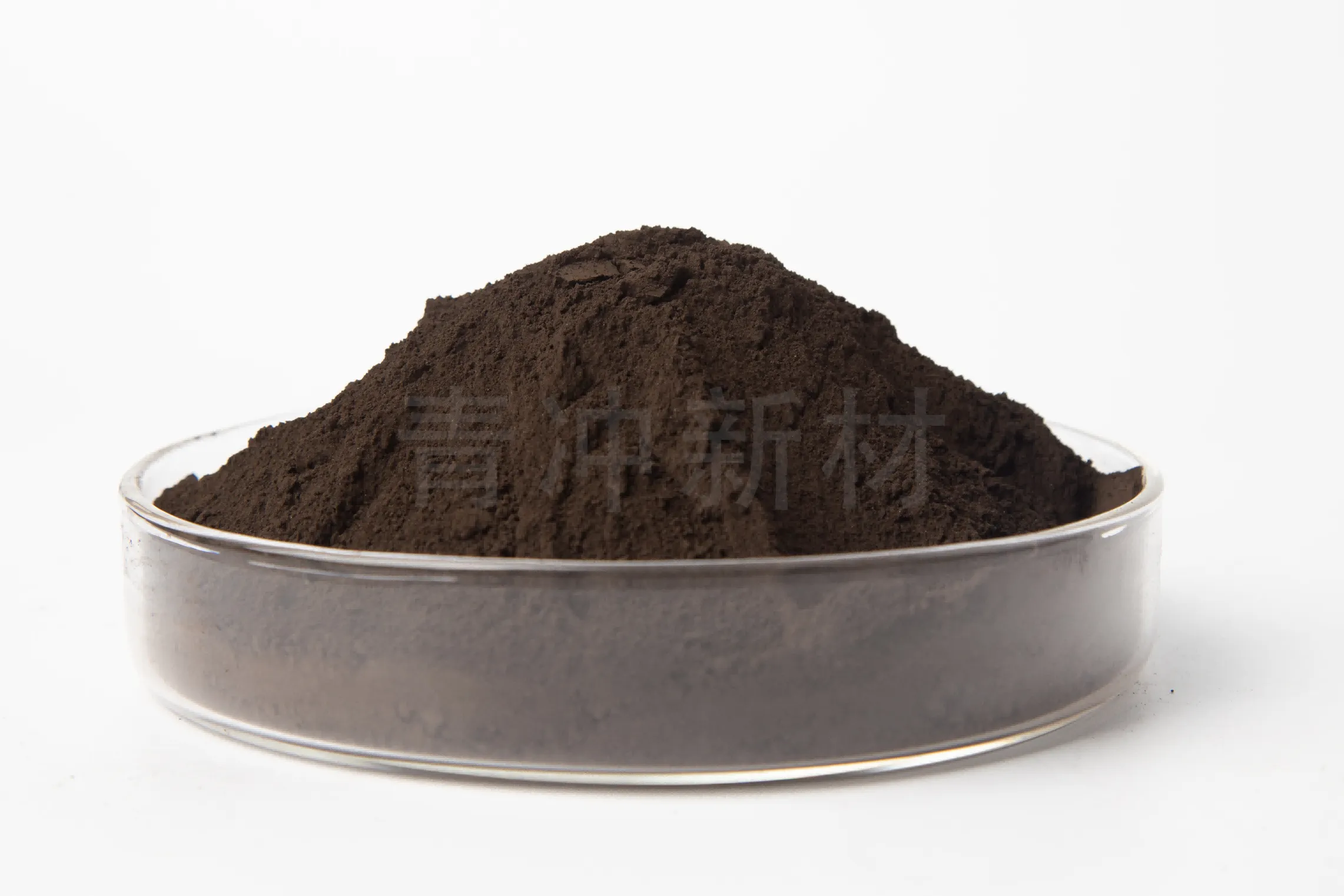
“Reagent grade” is a useful starting point, but it is not a complete purchasing specification for manganese dioxide. Two materials sold under that description may be assessed against different impurity limits, particle characteristics or analytical methods. A buyer who orders by grade name alone can therefore receive a material that does not fit the intended procedure. For manganese dioxide reagent grade, the practical question is which measured properties matter to your use and how those properties will be verified. QingChong New Materials is a manganese chemical manufacturer based in the Xiangtan Manganese Mine area, with more than 20 years of industry experience. Its background makes it a relevant contact for a specification discussion, but the information provided here does not include a reagent-grade product datasheet or batch results. This page sets out the questions to resolve before purchase: the required assay and impurity limits, whether physical characteristics affect your process, and which test methods and reporting basis your team accepts. Send your intended use and acceptance criteria so the requested material can be discussed against a defined specification.

Technical Detail

Configured around process stability, mold life, and long-term uptime.

A grade label should lead to a document review, not replace one. QingChong New Materials integrates manganese chemical R&D, production and sales, and describes strict quality control as part of its operations. It also holds ISO9001:2008 quality management system certification, passed in July 2010. These are relevant details when assessing a potential supplier, but they do not establish the purity, particle size or release criteria of a specific manganese dioxide reagent-grade product. No such product figures have been supplied for this page. Before treating a quoted material as suitable, ask for its current specification and an appropriate batch document, if available. Check the stated manganese dioxide content, the listed impurity limits and the method used to obtain each result. If your procedure depends on dispersion or contact with another material, ask how physical characteristics are described as well. Confirm that the figures refer to the offered material rather than to a general company capability statement. QingChong’s location in the Xiangtan Manganese Mine area and its experience in manganese chemicals provide context for the inquiry; the batch-level evidence remains a separate question. This distinction helps procurement and laboratory teams agree on what must be documented before an order is approved, without assuming that every item described as reagent grade meets the same internal standard.

Manganese Dioxide(MnO₂)

What the Reported Parameters Actually Mean

Manganese dioxide content and an impurity limit answer different questions. Content indicates how much of the tested material is reported as MnO₂ under a stated method; an impurity result addresses a particular substance or group of substances. Neither figure, taken alone, describes every aspect of suitability. Moisture or loss-on-drying information may matter when a procedure weighs material directly, while particle characteristics may matter when surface contact or handling influences the result. These are parameters to ask about, not published values for a QingChong reagent-grade product. Units and reporting basis also deserve attention. A percentage reported on a dry basis should not be compared casually with one reported as received. Similarly, results obtained by different analytical methods may require technical review before they are treated as equivalent. Ask what each number measures, which method generated it and whether the specification states a limit or merely reports a typical result. QingChong’s integrated R&D and production background provides a basis for discussing these distinctions with the manufacturer. The decisive information, however, must come from the documentation for the material actually offered.
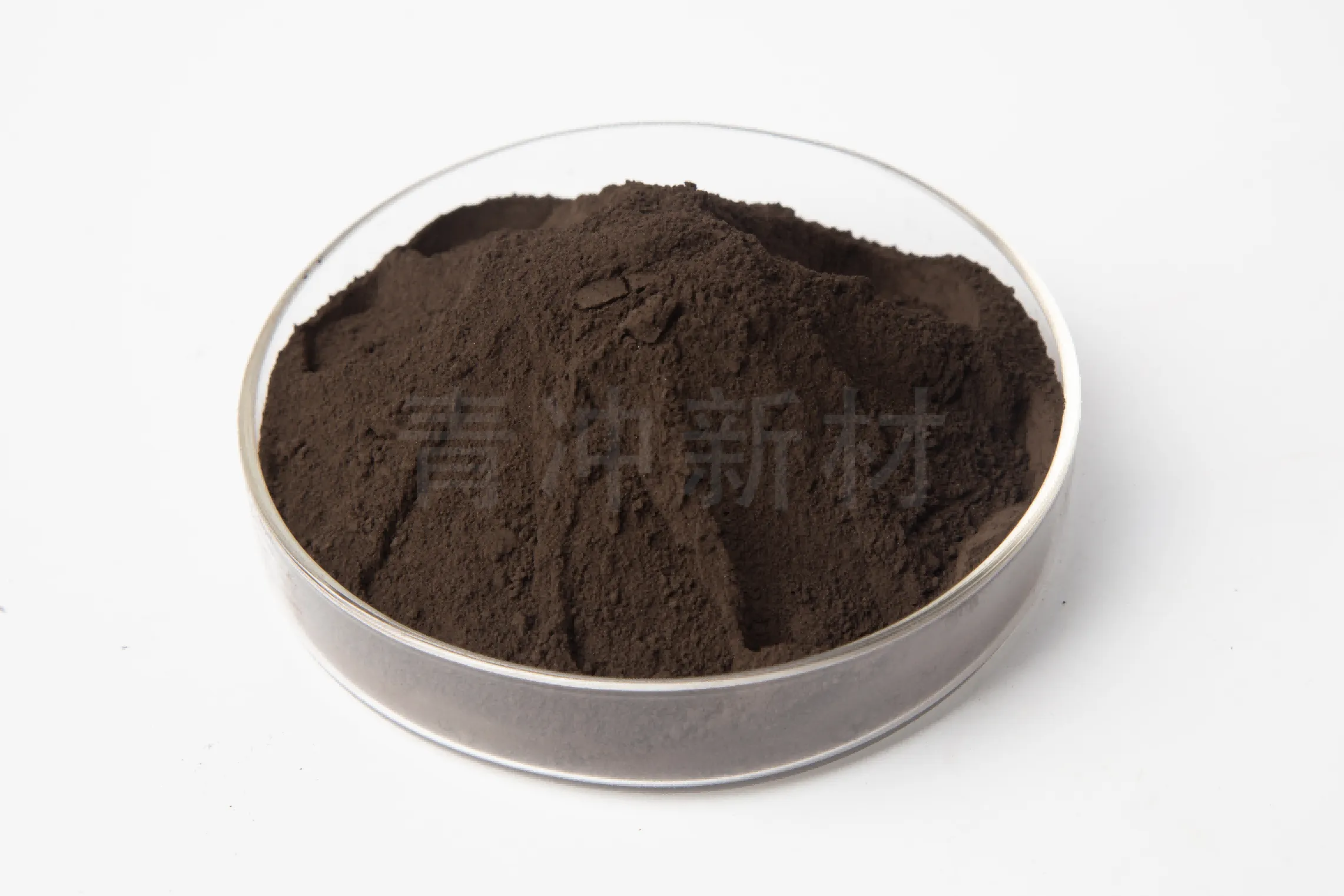
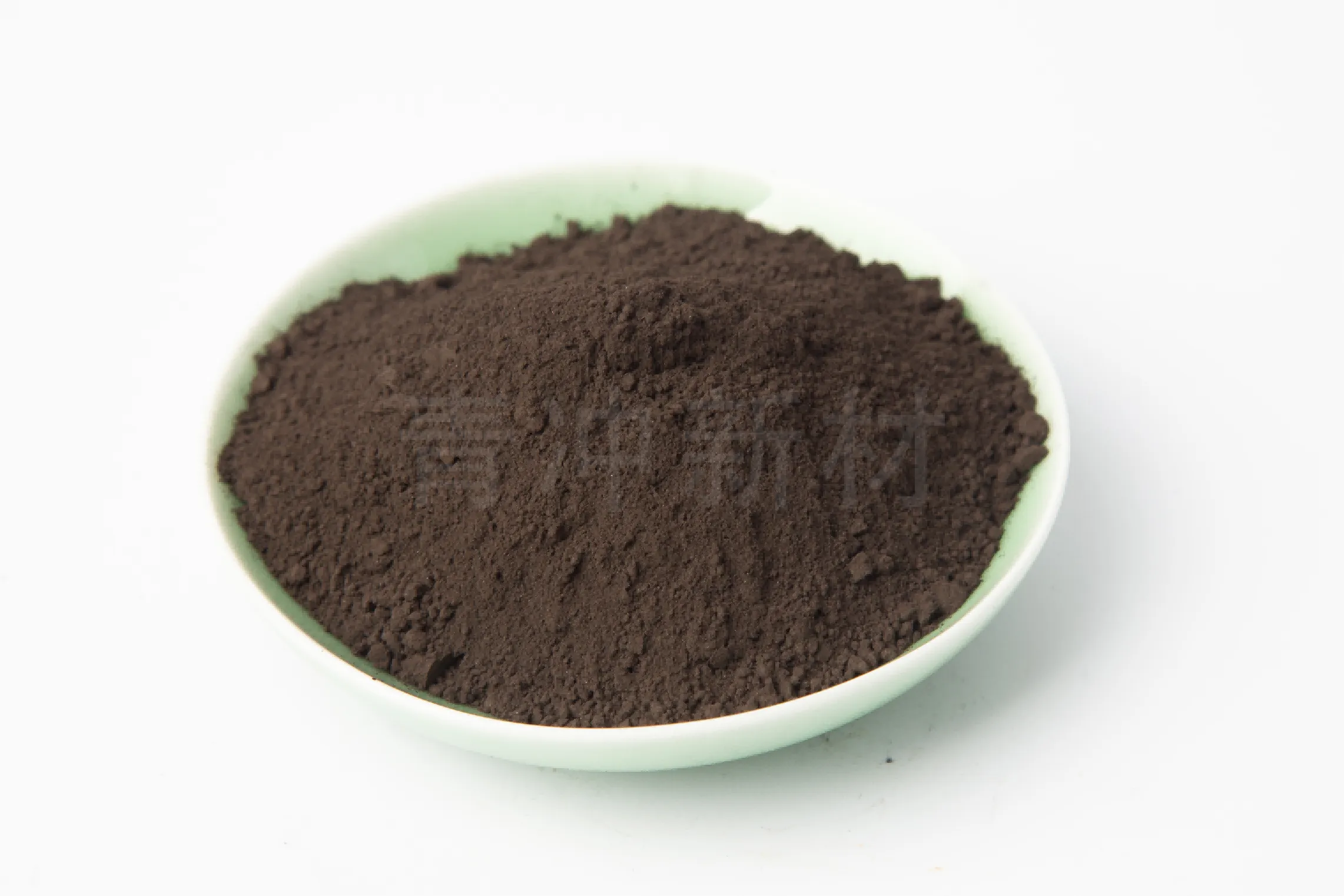
Manganese Dioxide(MnO₂)

Match the Specification to the Intended Procedure

Start with the point in your procedure where manganese dioxide could change the outcome. In a quantitative laboratory method, an impurity that contributes to a measured signal may be more consequential than a difference in appearance. In a preparation involving solid-liquid contact, physical form and consistency between batches may warrant closer review. These are examples of assessment questions, not claims that a particular QingChong product is approved for either use. Identify any substances your method cannot tolerate, then compare their required limits with the offered specification and, where relevant, batch results. If your method specifies a named grade, reference standard or prescribed test, check that requirement directly; a generic “reagent grade” description is not proof of equivalence. Consider how the material will be stored and used as well. A result measured under one set of test conditions does not automatically predict performance after different handling or in a different procedure. QingChong’s strict quality control system is a supplier consideration, but it cannot substitute for this application-level check. Where the documentation leaves a critical parameter unspecified, treat suitability as unconfirmed until the manufacturer clarifies it.

Manganese Dioxide(MnO₂)

A Specification Checklist for Your Inquiry

Send QingChong New Materials the exact use case and the acceptance criteria your team will apply. Name the manganese dioxide content requirement if you have one, list impurities that must be controlled, and state whether moisture, particle characteristics or another physical property affects the work. Include units, reporting basis and required test methods where your procedure defines them. This gives the manufacturer a concrete specification to review rather than a grade label to interpret. Ask for the current specification of the offered material and what batch-level documentation can be provided. Check whether the document identifies the tested material clearly and whether each critical requirement is covered by a limit or a reported result. If you are comparing candidates, put their figures alongside the same units and methods before drawing a conclusion. QingChong integrates R&D, production and sales, so direct discussion of a technical requirement is appropriate; availability of a particular specification or document still needs confirmation. Do not finalize a substitution solely because both materials are called reagent grade. Record any unresolved differences and obtain your laboratory or process owner’s approval before placing the order.

News

Industry updates

Products

Production modules

Why Choose Us

Why Discuss Reagent-Grade Requirements with QingChong

QingChong New Materials has more than 20 years of manganese industry experience and operates in the Xiangtan Manganese Mine area, a major Chinese manganese production base. The company combines R&D, production and sales, giving buyers a manufacturer to approach when a manganese chemical requirement needs technical clarification. Its stated emphasis on quality control is supported at the management-system level by ISO9001:2008 certification, passed in July 2010. QingChong was also certified as a National High-tech Enterprise in September 2019 and has obtained multiple invention patents in cooperation with local universities. For international inquiries, its website is available in 14 languages, and the company reports global export capabilities. These credentials explain why it may be worth engaging QingChong on a detailed manganese dioxide request. They should not be read as a certificate of analysis for an unnamed product or as confirmation of a particular reagent-grade limit. Share your required parameters and ask which material and supporting documents, if any, match them. That keeps the discussion anchored to an identifiable specification and the evidence your organization needs for approval.

FAQ

Common technical questions

Does reagent grade mean a fixed MnO₂ purity across suppliers?

No. The grade name alone does not establish a universal assay value. Compare the offered specification, its reporting basis and test method with the requirement in your procedure.

Can I use this material in a quantitative analytical method?

That depends on the method’s impurity and performance requirements. No QingChong reagent-grade product data has been provided here, so confirm the offered material’s documentation and have the method owner assess any interfering substances before use.

What should I check when a container has been opened?

Follow your laboratory’s storage and contamination-control procedure. Keep the container properly closed, avoid introducing material from shared tools, and check whether your method requires fresh testing after storage; no product-specific shelf-life guidance has been supplied.

Should I request a specification or a batch certificate?

Request the specification to see the stated acceptance limits and ask what batch-level documentation is available for the material offered. A specification and a batch result serve different purposes; confirm that both address your critical parameters.

Need a solution for your project?

Share your product type, target capacity, and application requirements. Our team can review the details and recommend a practical next step.

Contact Us
Whatsapp
WeChat

CONTACT US

Office Address:21/F,Zhonghan Fortune Building,Ji'an Road, Yuetang District,Xiangtan,Hunan,China

Factory Address: Heling Town, Yuhu District, Xiangtan City, Hunan Province, P.R.China

WhatsApp: 8613786275365

Fax: 86-731-52326088

E-mail: [email protected]