
 EN
 CN
 fr
 es
 ar
 ru
 de
 pt
 tr
 vi
 it
 ja
 ko
 hi


manganese carbonate factory
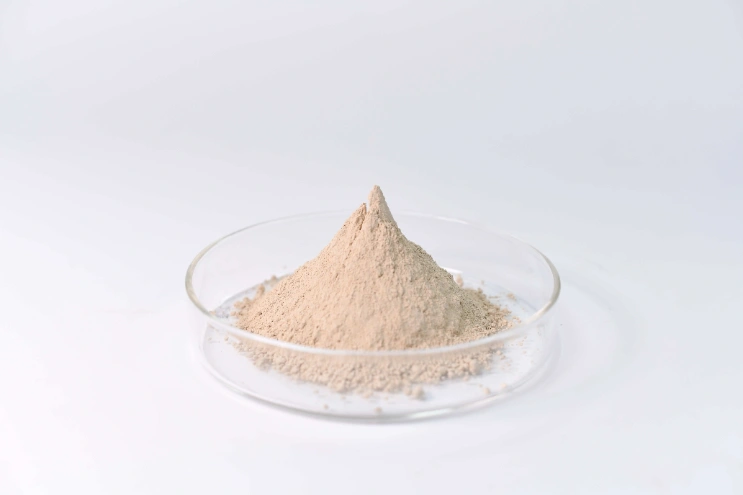
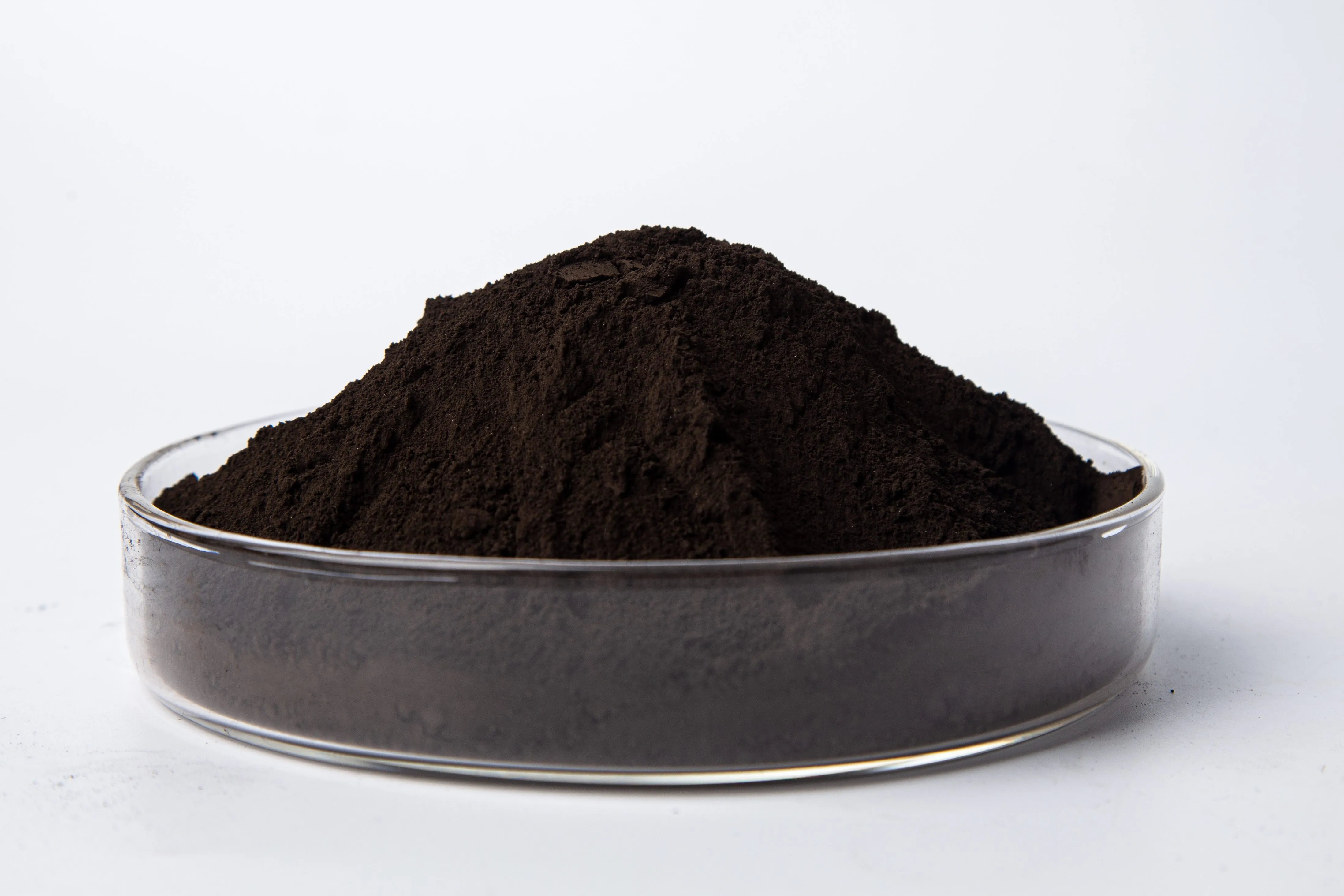
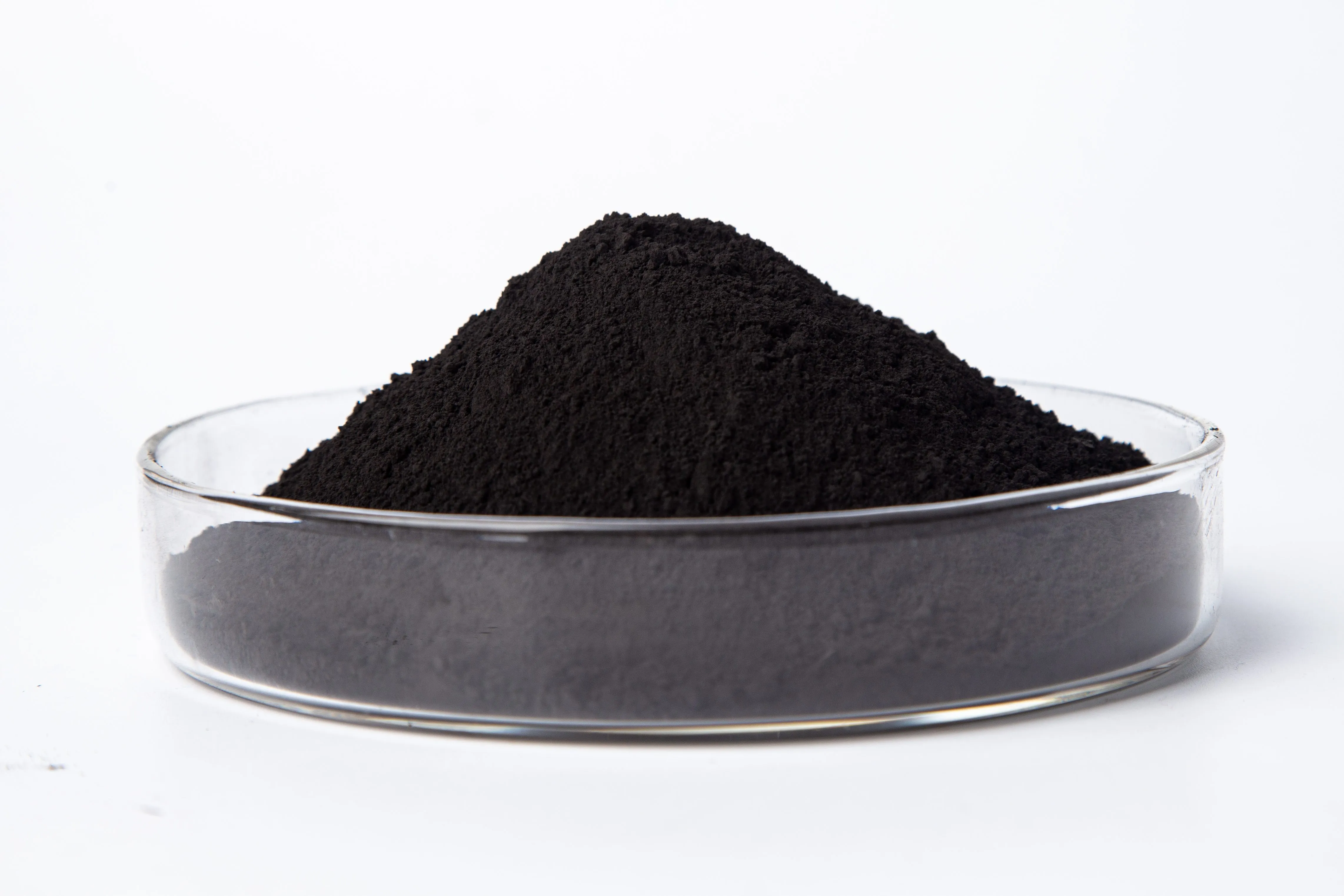
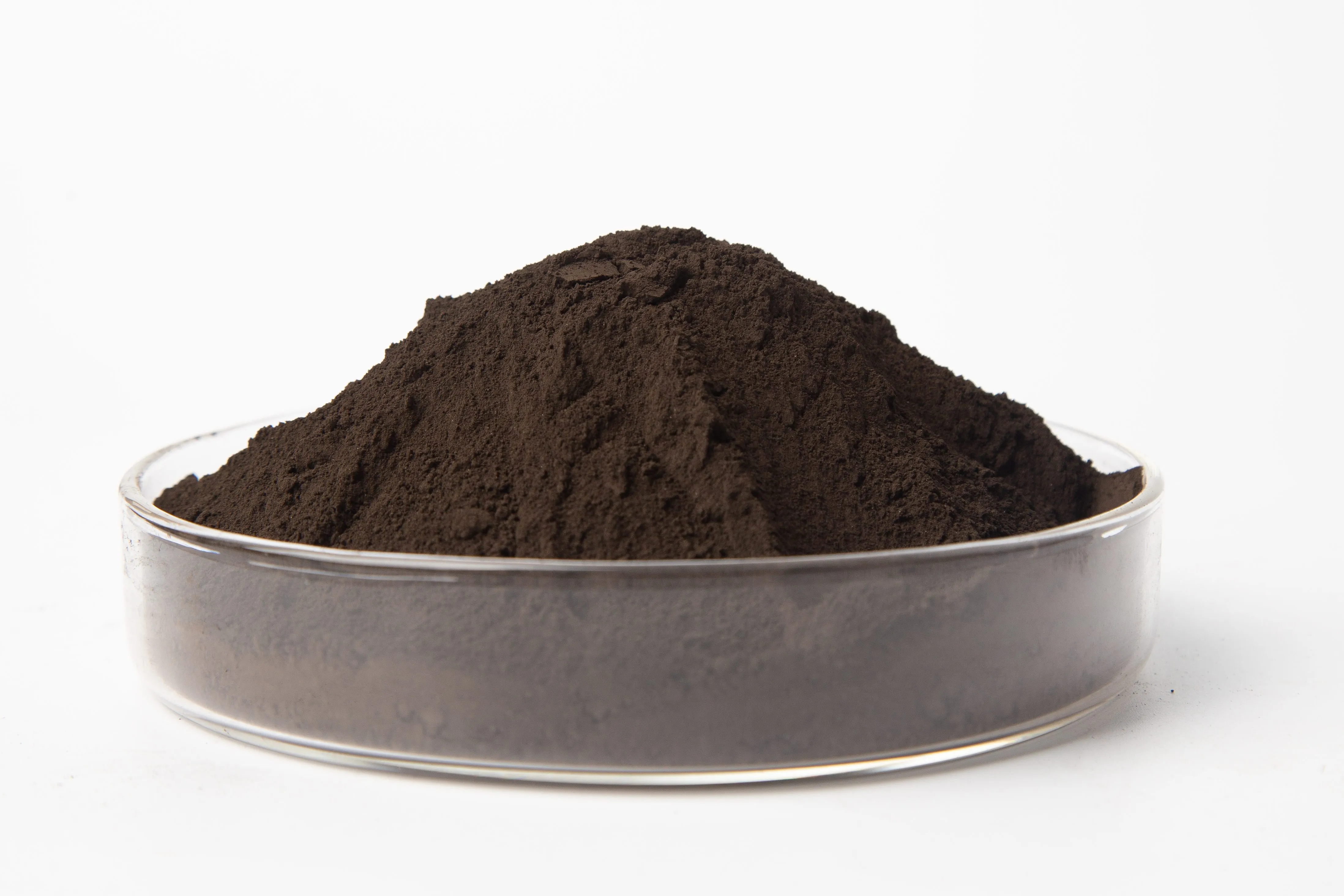
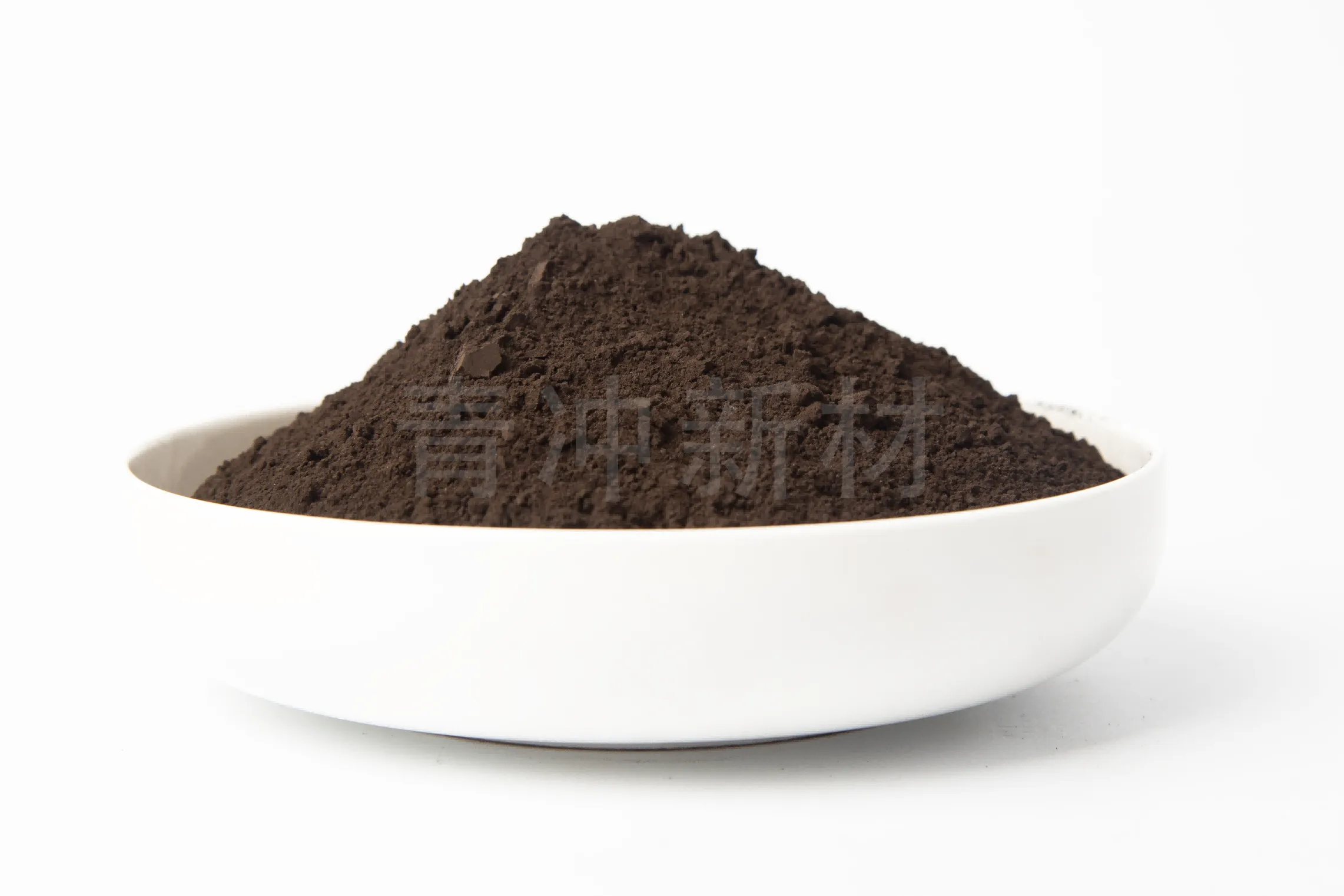
The structural refinement of manganese carbonate factory allows the interaction at the material interface level to be very effective. Activation gets rid of the old active sites and introduces new ones at the same time keeping the bulk properties unaltered. This material design facilitates the low degradation process and efficient response of the material during the whole cycle of being used several times. manganese carbonate factory is continuously performing even when the conditions of working vary, thus helping to maintain the quality of the output. Its dependable features make the system design and process optimization easier. Consequently, manganese carbonate factory is the best option for the industries where controlled material behavior, predictable processing results, and long-term operational stability are the priorities.
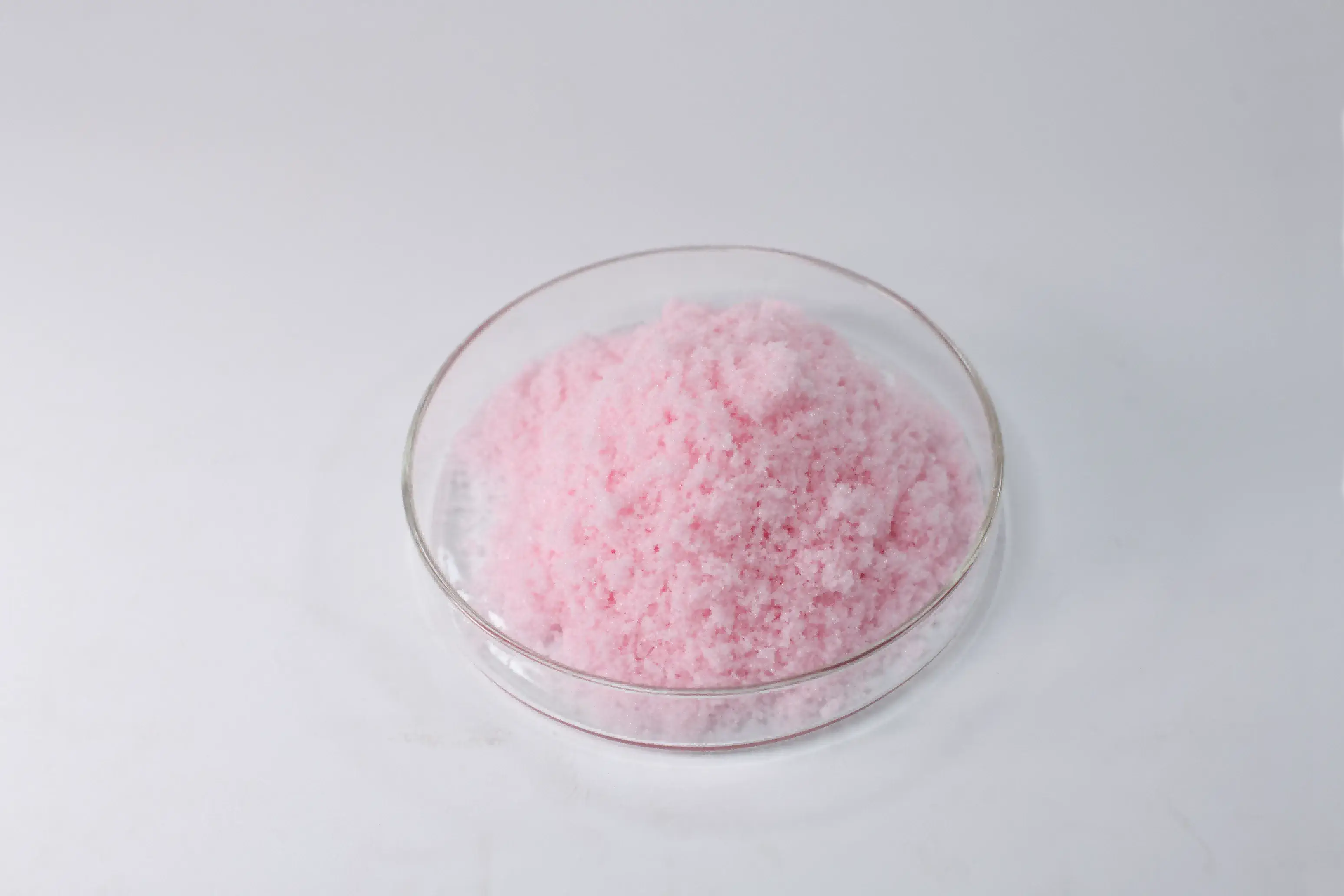
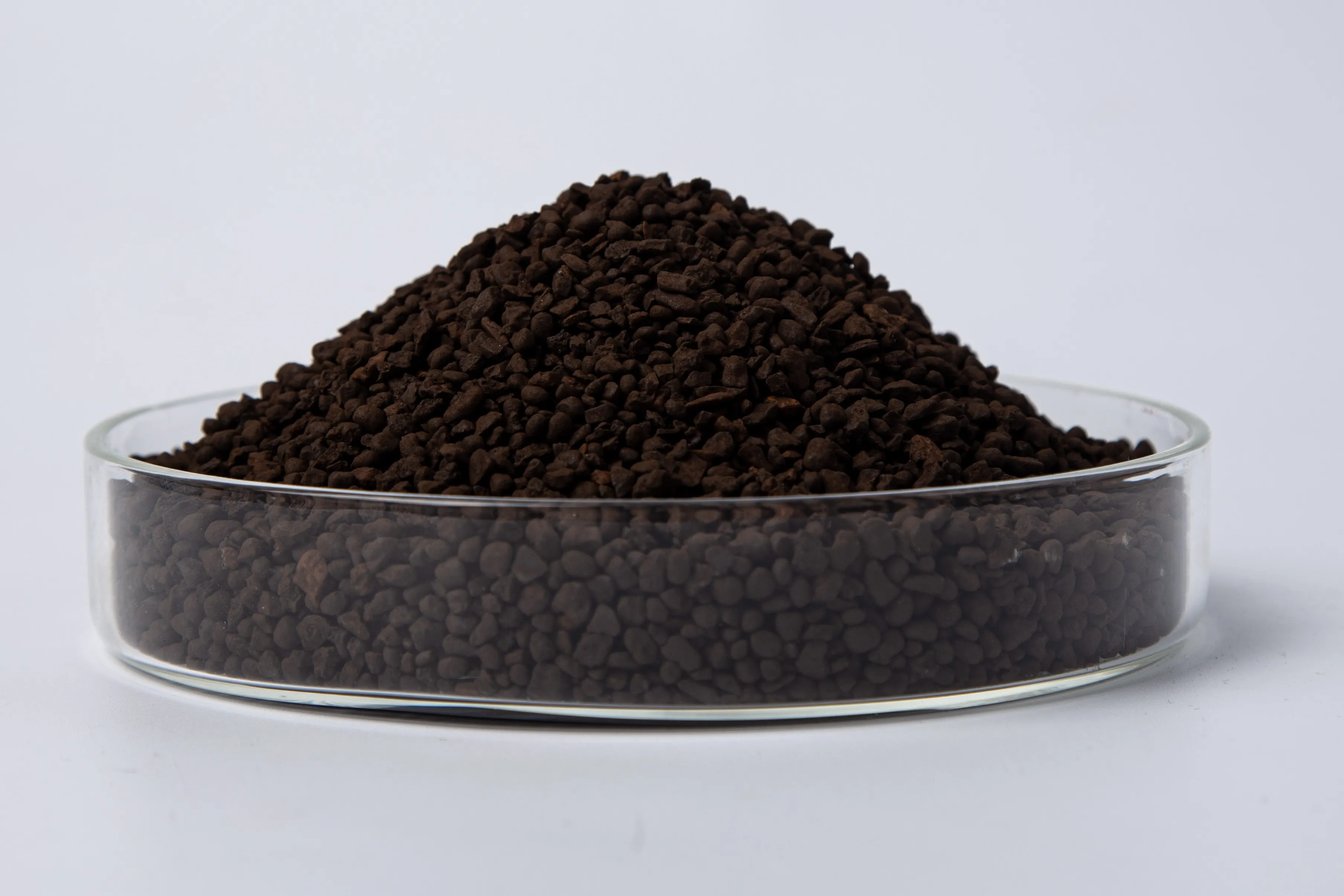
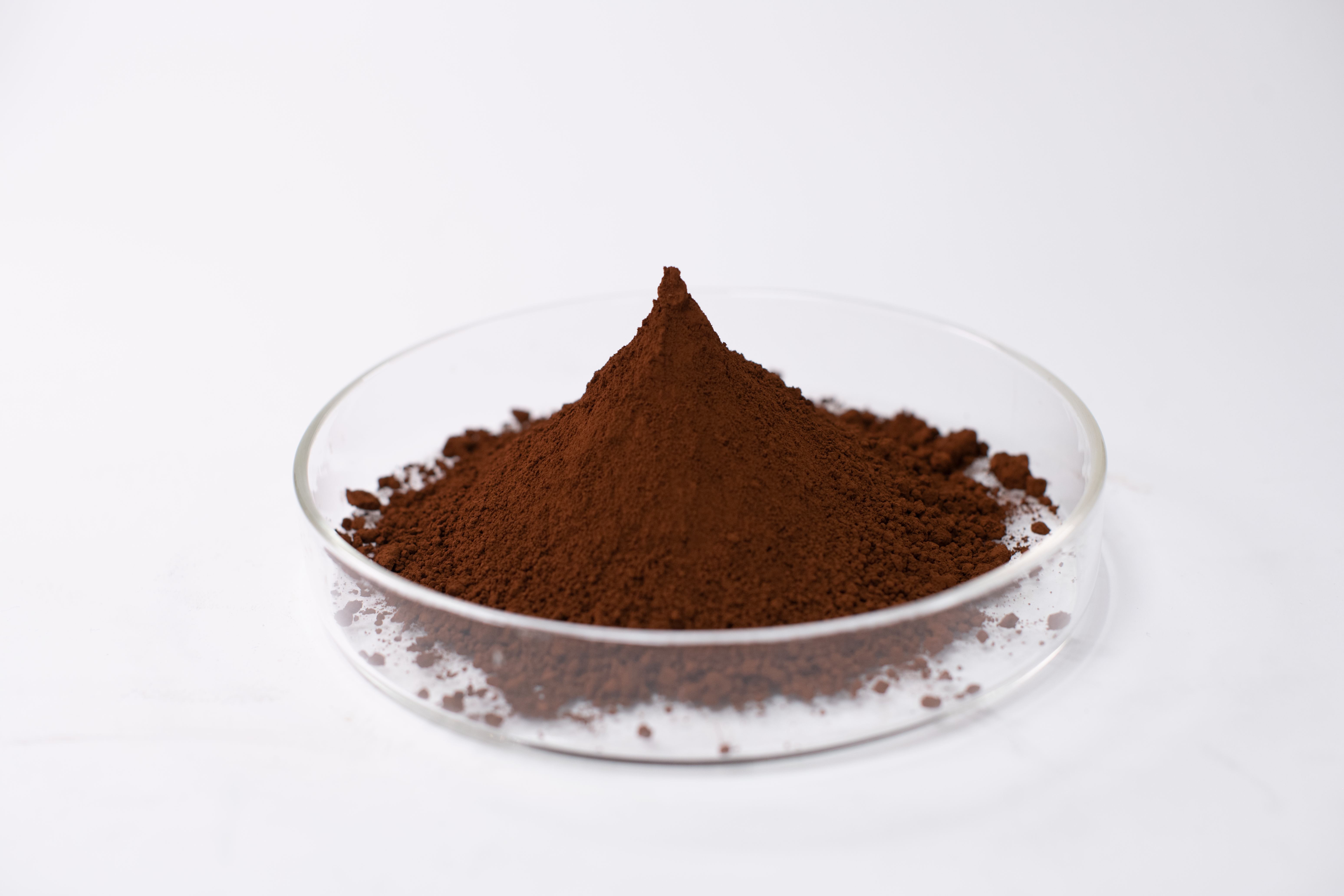
Application of manganese carbonate factory
The use of manganese carbonate factory is significant in functional coating formulations where oxidative activity is expected. Its activation improves the interaction with the surface, which results in a more uniform coating performance. The material assures even behavior during the application and curing processes. The manufacturers use manganese carbonate factory for the purpose of improving coating functionality but at the same time not compromising stability. Its changing characteristics help in achieving the same production results over and over again, which in turn, it fits the industrial coating systems that require strict performance and material reliability.
The future of manganese carbonate factory
The future application landscape of manganese carbonate factory includes expanded use in advanced catalytic architectures. Emerging reactor designs may require materials with finely tuned activity and structural endurance. Through improved activation control, manganese carbonate factory can deliver consistent catalytic behavior across broader operating ranges. These attributes support its integration into future chemical production facilities that prioritize efficiency, stability, and repeatability over extended operational cycles.
Care & Maintenance of manganese carbonate factory
The manganese carbonate factory maintenance is greatly influenced by the handling practices employed. The mechanical stress is decreased and the particle degradation is prevented by the controlled transfer methods. The appropriate intake and discharge tools are the ones that ensure the material behavior to be uniform. The characteristics of the activated surface are preserved by the avoidance of excessive vibration or compression. The handling procedures that have been standardized are the ones that bring about consistency among the operations. Careful handling is what gives manganese carbonate factory the functional properties it supports reliable use in demanding industrial environments.
QingChong manganese carbonate factory
In the fields of battery, manganese carbonate factory is the most important material because of its superior electrochemical activity. Its activated structure allows for fast electron transfer so that energy storage devices can have a stable charge behavior. The uniformity of the material is an advantage that leads to the predictable voltage performance and the prolongation of the operational cycles. Engineers consider it a plus in practice when manganese carbonate factory is like a chameleon that can adapt to different battery chemistries, especially in the cases where there is high reactivity plus stability of the material. By working on the particle morphology and activation levels, producers make sure that manganese carbonate factory is in line with the performance of modern energy storage technologies.
FAQ
Q: What industries commonly use Activated Manganese Dioxide? A: Chemical manufacturing, environmental processing, energy-related industries, and specialty material production are the main sectors that make use of this compound. Q: Does Activated Manganese Dioxide require special storage conditions? A: Storage in dry sealed containers is advisable for keeping surface activity intact and for avoiding moisture exposure. Q: Can the product be reused in certain processes? A: In certain cases, depending on the operating conditions, regeneration or reuse is an option. Q: How does it help in making process more efficient? A: The material is so reactive that it promotes faster reaction rates and leads to better material usage. Q: Is batch consistency important for this product? A: Indeed, consistent quality of batches provides certainty in the performance of precision-driven processes.
Reviews
Sophia Miller
Activated Manganese Dioxide has dramatically improved our catalytic oxidation processes. Its surface area and purity contribute to faster reaction times and predictable outcomes. Support from the supplier ensured smooth logistics and supply continuity.
Olivia Davis
The Chemical Manganese Dioxide we received is highly reactive yet stable for industrial applications. Its fine particle distribution has allowed us to maintain reproducible chemical reactions, increasing productivity and reducing waste significantly.
Latest Inquiries
To protect the privacy of our buyers, only public service email domains like Gmail, Yahoo, and MSN will be displayed. Additionally, only a limited portion of the inquiry content will be shown.
Liam****@gmail.comJapan
Dear Supplier, we require Manganese Chloride for chemical synthesis. Please send product specificati...
Sophia****@gmail.comCanada
Hi, we need Manganese Filter Media for water treatment systems. Can you provide available particle s...
Related product categories
- manganese carbonate market factory
- manganese carbonate market price factory
- manganese carbonate reagent factory
- manganese carbonate wholesale factory
- manganese (II) carbonate charges factory
- pure manganese carbonate factory
- supplier manganese carbonate factory
- manganese carbonate raw material factory
- mnco3 price
- manganese carbonate price
- manganese (II) carbonate price
- manganese carbonate