productlist

Manganese Oxide Uses: Match the Material to the Job

manganese oxide uses

A search for manganese oxide uses can lead to very different materials. Manganese oxides are a family of compounds, and a buyer specifying manganese dioxide for a battery-related process may need something quite different from a buyer investigating an oxide for ceramics. The application name alone does not settle the chemical form, purity, particle characteristics, or testing requirements. This page is for purchasing teams, formulation engineers, and technical buyers who need to turn a broad material search into a usable inquiry. QingChong New Materials is a Chinese manganese chemical manufacturer integrating R&D, production, and sales. Its stated focus includes manganese dioxide and manganese compounds, but no product-grade data has been provided here. Accordingly, the applications below are starting points for technical discussion, not claims that a particular QingChong grade has been qualified for them. Begin with the role the oxide must play in your process: a reactive material, a colorant, or another formulation component. Then identify the exact compound and the conditions under which it must perform. Those details give a supplier a practical basis for discussing availability and suitability.

Technical Detail

Configured around process stability, mold life, and long-term uptime.

Manganese oxide uses span several industries, but the word “use” can conceal an important distinction: an oxide that is chemically suitable for a process is not automatically suitable in the physical form supplied. Manganese dioxide is commonly investigated for electrochemical applications, while manganese oxides can also be considered in ceramic and glass formulations, where composition and processing behavior matter. These are application categories rather than endorsements of any specific grade. Buyers should identify the required oxide before treating a general application list as a purchasing specification. QingChong New Materials presents itself as a manganese dioxide and manganese compound manufacturer based in the Xiangtan Manganese Mine area. It integrates R&D, production, and sales and reports more than 20 years of industry experience. Those are relevant points for a buyer seeking a technical conversation about material requirements, but they do not establish a particular assay, particle size, or application approval. None of those product specifications has been supplied for this page. The useful first distinction is therefore between exploring where manganese oxides are used and confirming whether a supplied material will work in a defined production process. If a ceramic recipe needs repeatable color development, ask how composition and lot-to-lot variation are controlled. If an electrochemical process is involved, define its test method and acceptance criteria before requesting a match. QingChong’s stated quality-control system provides a reason to ask for documented grade information; suitability still depends on the actual grade and the buyer’s validation results.

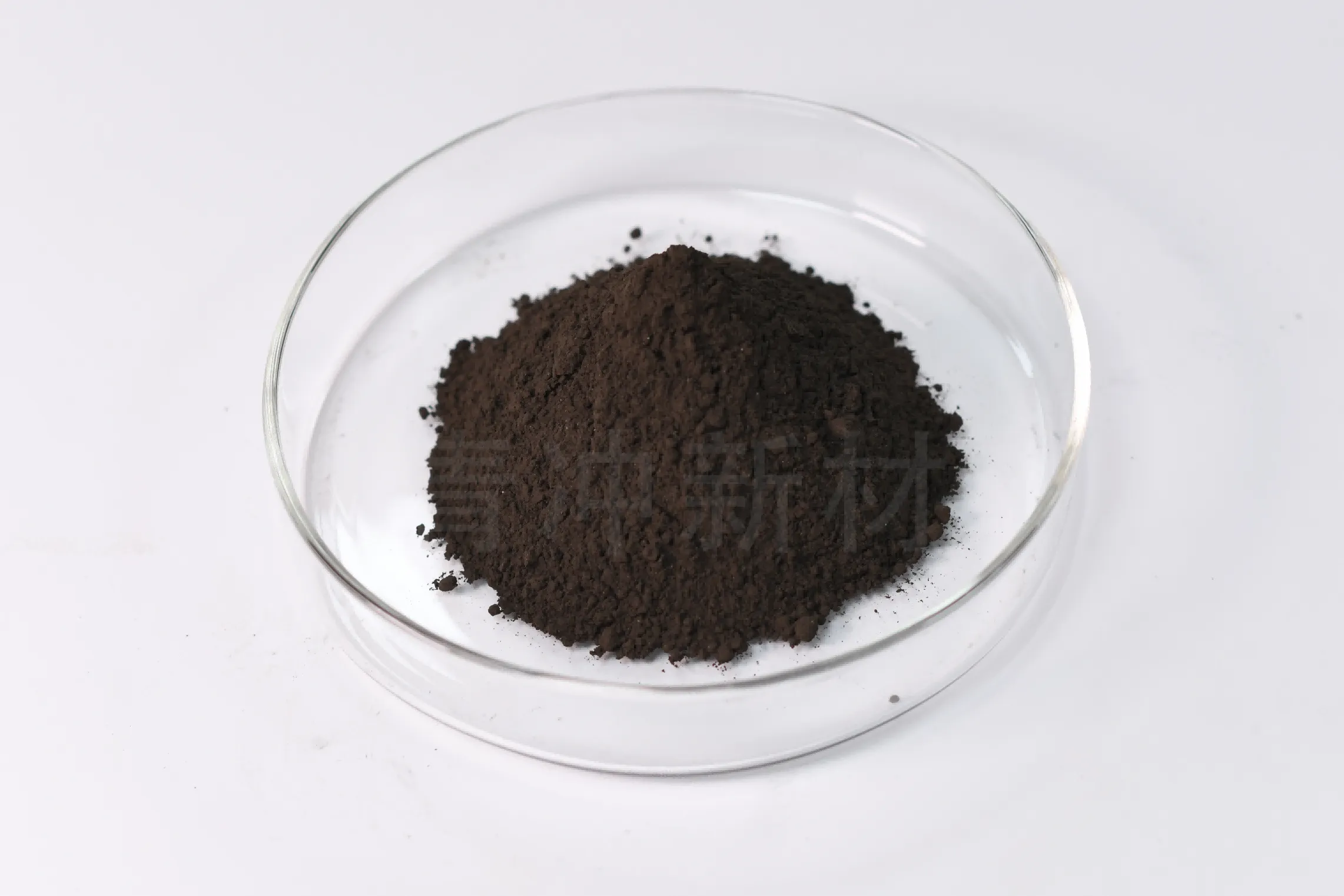
Manganese Oxide(MnO)

Why the Exact Manganese Oxide Matters

“Manganese oxide” is not a single chemical specification. Manganese can form oxides with different manganese-to-oxygen ratios, including manganese dioxide (MnO2), manganese(II) oxide (MnO), and trimanganese tetroxide (Mn3O4). These names describe different compounds, so substituting one for another solely because a purchasing list says “manganese oxide” can change how a material behaves. Even within a named compound, impurities and physical properties may affect results. The exact properties that matter depend on what the material is expected to do. In an electrochemical formulation, buyers typically examine material characteristics against a defined performance test. In a fired formulation, the outcome also depends on the other ingredients and the firing conditions. Those mechanisms explain why an application label is too broad to serve as a specification. QingChong New Materials identifies manganese dioxide and manganese compounds as its manufacturing focus, but no catalog of offered oxide forms or grades has been provided here. A technical discussion should therefore start by naming the compound and stating the intended function. That establishes a shared meaning for “manganese oxide” before anyone interprets a test report or production result.
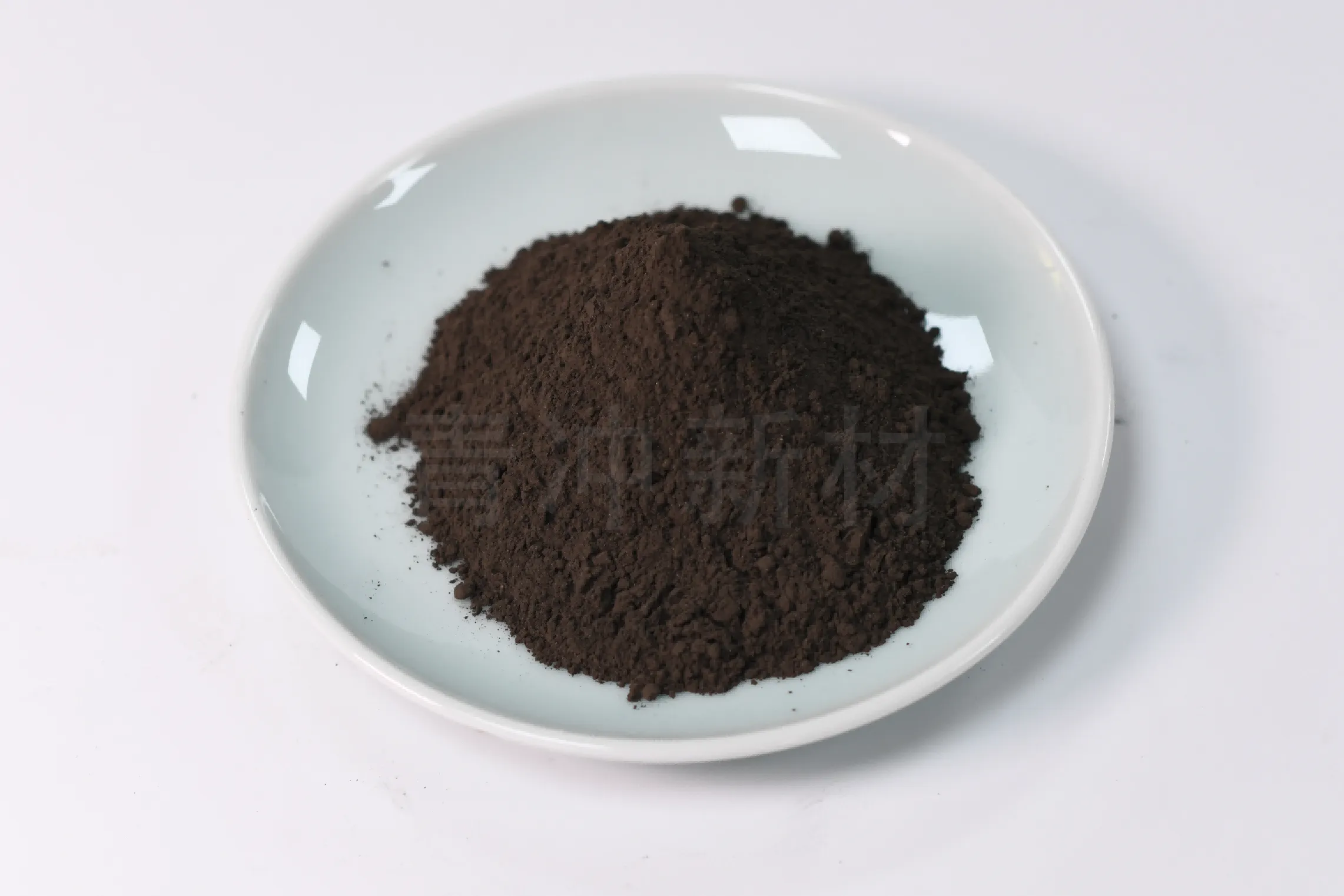
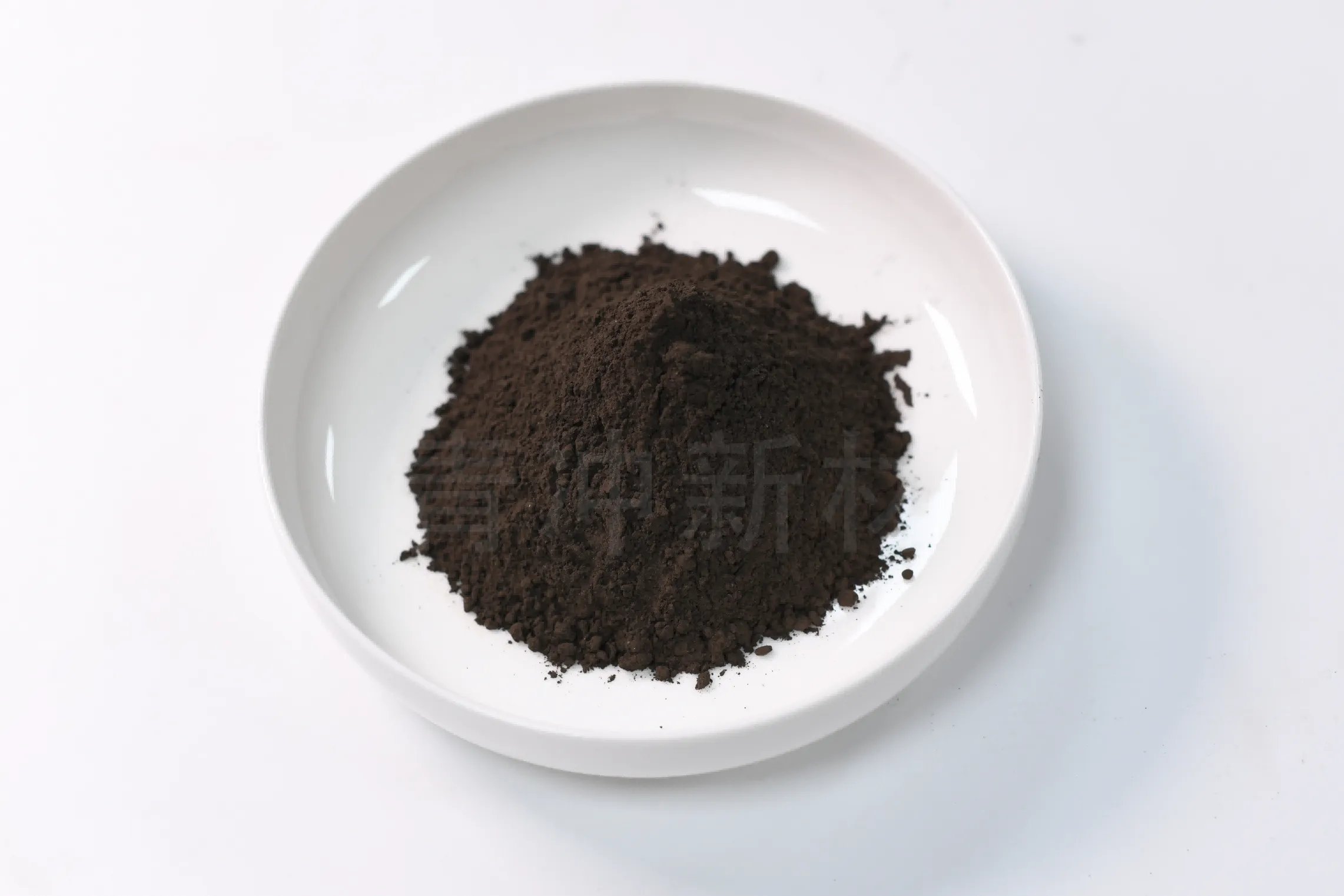
Manganese Oxide(MnO)

Check the Process Conditions Behind the Application

Suitability is decided in the buyer’s process, not by an industry label alone. For a ceramic or glass formulation, document the formulation, processing temperature, atmosphere, and desired finished appearance. Differences in those conditions can change how a manganese-containing ingredient performs, so a result from one recipe should not be assumed to transfer to another. For an electrochemical application, the cell design, processing route, and performance test should be specified before comparing candidate materials. In either case, handling requirements and any limits on unwanted constituents may also affect whether a grade is acceptable. These are evaluation criteria, not published operating limits for a QingChong product; no such limits were supplied. QingChong’s location in the Xiangtan manganese production area and its integrated R&D, production, and sales operations provide context for a supplier discussion, but they do not replace application testing. A practical evaluation asks two separate questions: does the material meet the incoming specification, and does it produce the required result after the buyer’s own processing steps? If either answer is unknown, request the relevant documentation and test a representative sample under the intended conditions before treating the material as approved.

Manganese Oxide(MnO)

Prepare a Manganese Oxide Inquiry That Can Be Assessed

Start the inquiry with the exact material name, or state clearly that the oxide form has not yet been determined. Add the intended use and the role the material must play in the finished product. Then provide the acceptance criteria your team already uses, such as a required analytical method, limits for specified constituents, or a particle-related requirement if one is relevant. Avoid inserting a numerical target merely because another supplier’s grade uses it; the target should come from your process or qualification plan. Include the intended processing conditions and explain whether you need material for laboratory evaluation, production qualification, or an established purchasing specification. Ask which QingChong grades, if any, correspond to those requirements and request their current technical documentation for review. QingChong New Materials states that it integrates R&D, production, and sales, which makes a technically specific inquiry more useful than a request for “manganese oxide” alone. No available grade list, pricing, minimum order quantity, or delivery commitment has been provided here, so each must be confirmed directly rather than assumed. Keep the compound identity, required evidence, and proposed evaluation method together in the inquiry; that gives both technical and purchasing teams the same basis for a decision.

News

Industry updates

Products

Production modules

Why Choose Us

A Documented Starting Point for QingChong Manganese Discussions

For buyers comparing manganese chemical suppliers, QingChong New Materials offers several verifiable points of context. The company describes more than 20 years of industry experience and operates in the Xiangtan Manganese Mine area, an established manganese production base in China. It integrates R&D, production, and sales and states that it uses a strict quality-control system. That combination is relevant when a buyer needs to discuss a material requirement across technical and supply functions, although it is not evidence that an unspecified grade will pass a particular qualification test. QingChong reports passing ISO9001:2008 quality management system certification in July 2010 and receiving National High-tech Enterprise certification in September 2019. It also reports invention patents obtained in cooperation with local universities. Buyers should verify the current status and scope of any certificate relevant to their procurement requirements; neither certification should be read as an application-specific product approval. The company’s multilingual website reflects its stated focus on global markets. Its quality and integrity principles offer a clear basis for asking direct questions about grade identity, documentation, and consistency. The sound purchasing decision remains tied to the specifications QingChong can provide for the proposed material and the results of the buyer’s own tests.

FAQ

Common technical questions

Is manganese dioxide the same as manganese oxide?

Manganese dioxide is one manganese oxide, specifically MnO2. The broader term can also refer to other compounds. State the exact chemical name or formula in your inquiry whenever it is known.

Can I use manganese oxide in an existing ceramic recipe without changing the firing cycle?

Do not assume it will give the same result. Appearance and behavior can depend on the formulation and firing conditions. Test the proposed material in your existing process and compare the fired result with your acceptance standard.

What should I check when comparing two manganese oxide grades?

First confirm that they are the same compound. Then compare the properties your process controls, the analytical methods used to report them, and the consistency evidence available for each grade. No QingChong grade specifications were provided here for a direct comparison.

How should a sample be assessed for an electrochemical application?

Use the incoming-material checks and performance tests defined by your cell design and qualification procedure. Ask for documentation identifying the proposed material before testing; an application label by itself is not evidence of electrochemical performance.

Need a solution for your project?

Share your product type, target capacity, and application requirements. Our team can review the details and recommend a practical next step.

Contact Us
Whatsapp
WeChat

CONTACT US

Office Address:21/F,Zhonghan Fortune Building,Ji'an Road, Yuetang District,Xiangtan,Hunan,China

Factory Address: Heling Town, Yuhu District, Xiangtan City, Hunan Province, P.R.China

WhatsApp: 8613786275365

Fax: 86-731-52326088

E-mail: [email protected]