 EN
EN
 CN
CN
 fr
fr es
es ar
ar ru
ru de
de pt
pt tr
tr vi
vi it
it ja
ja ko
ko hi
hi
How EMD Fits into Battery Chemistry
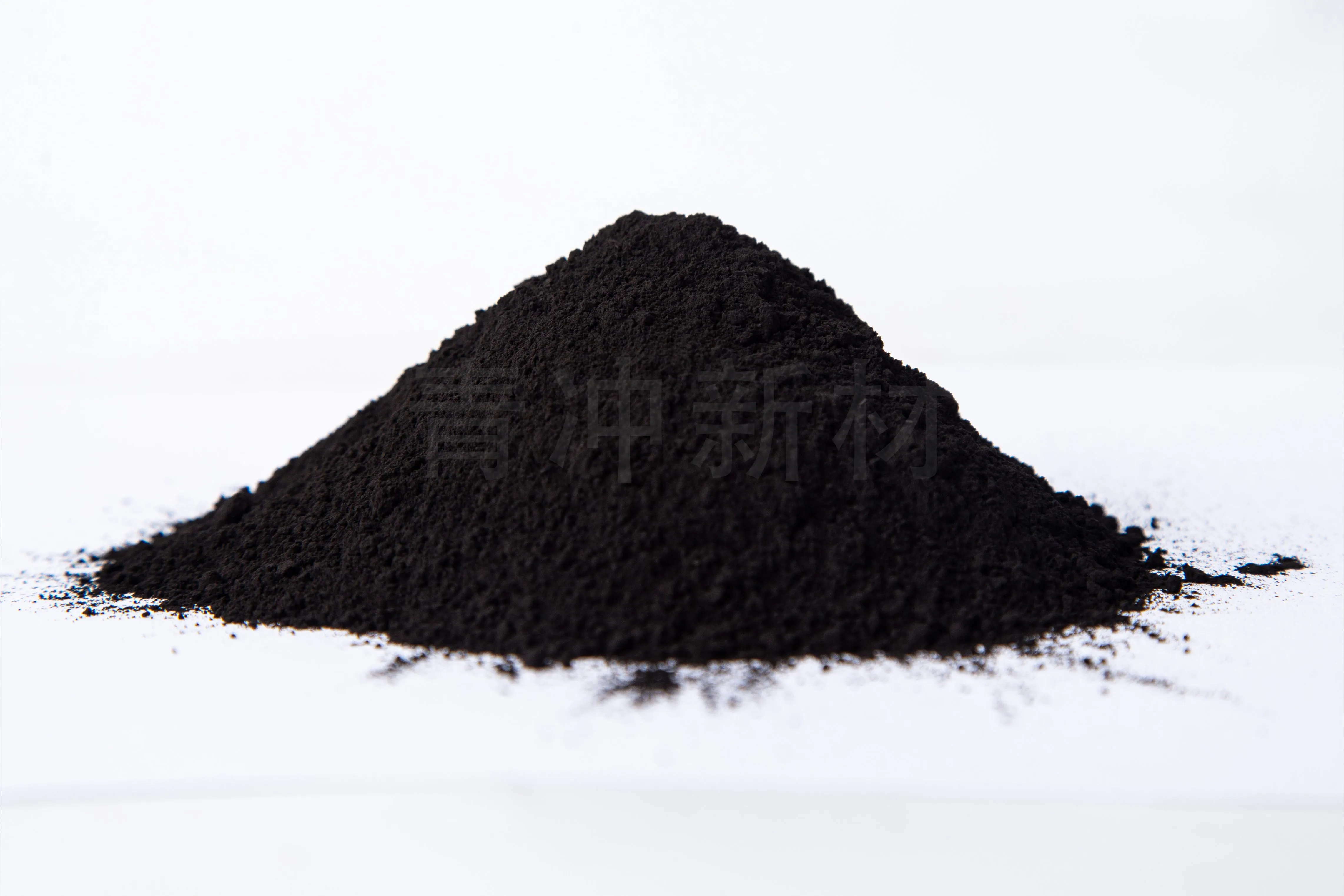
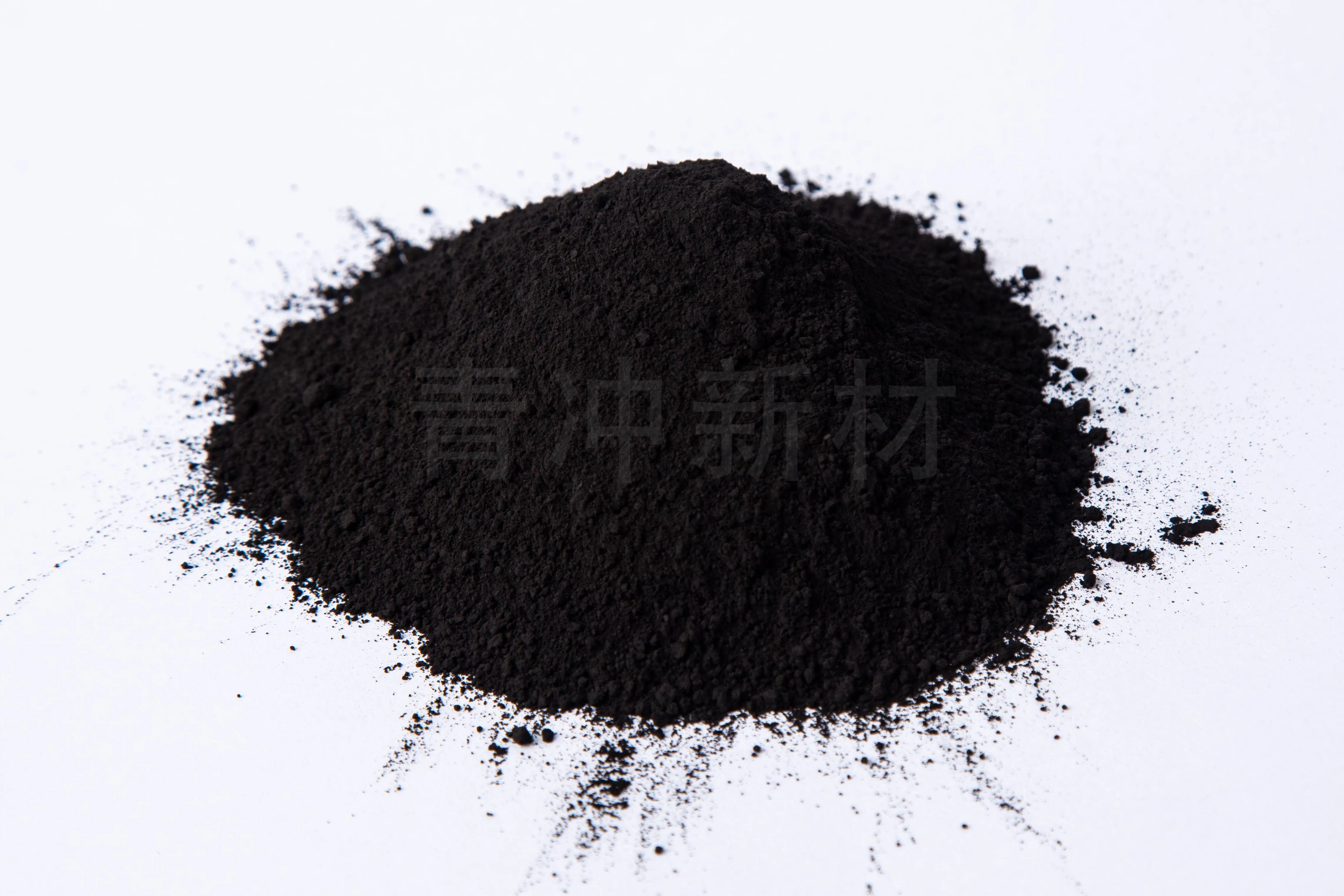
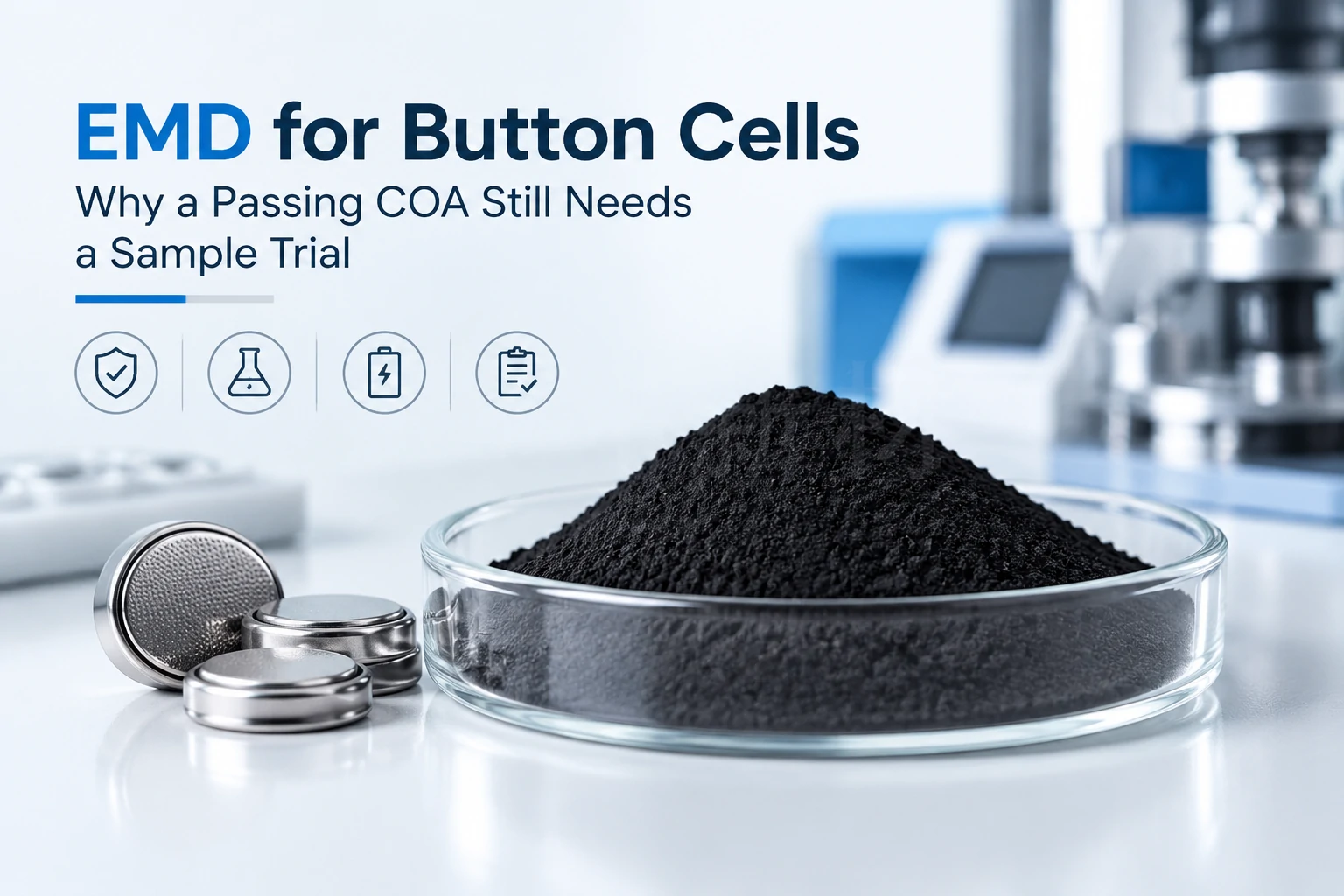
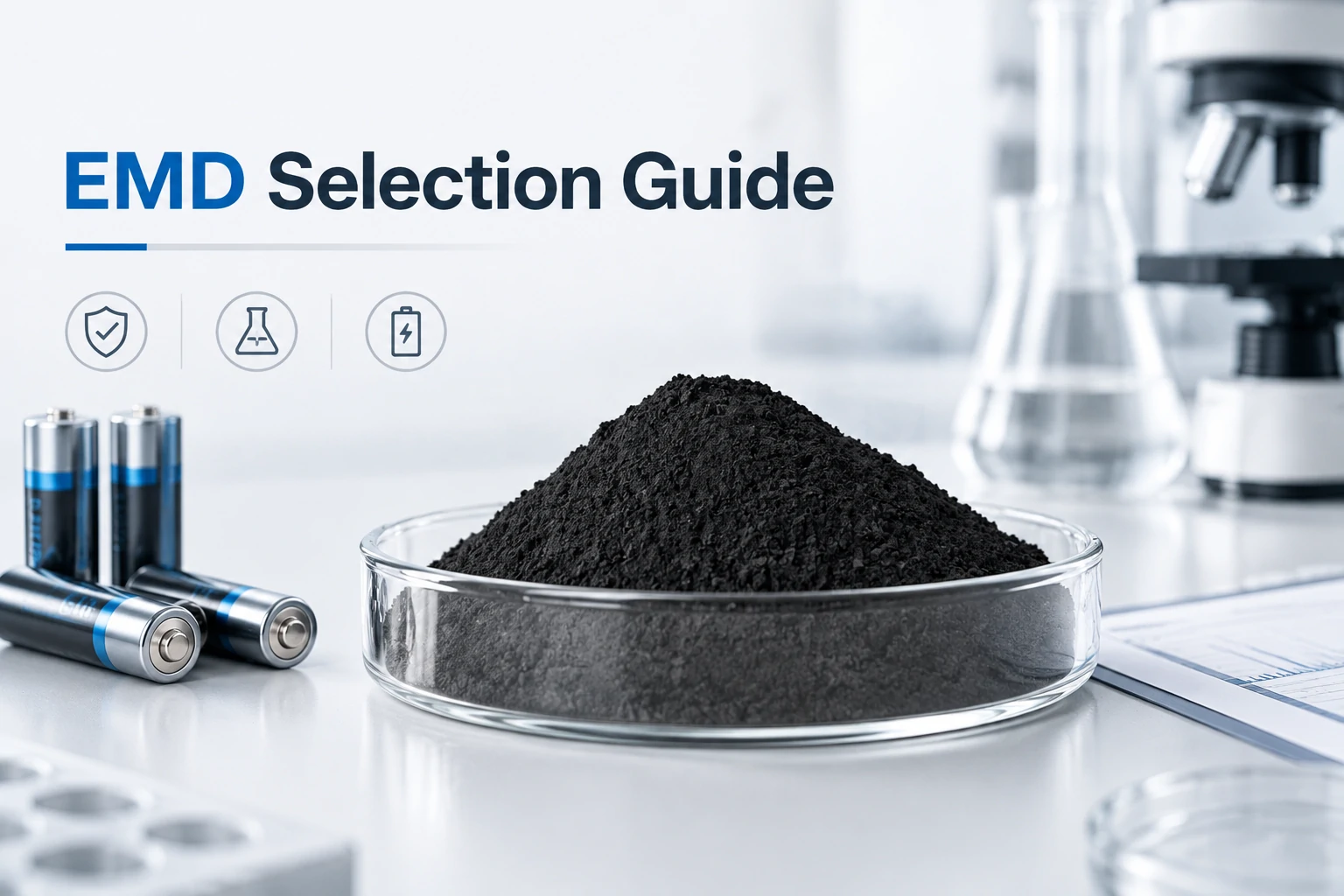
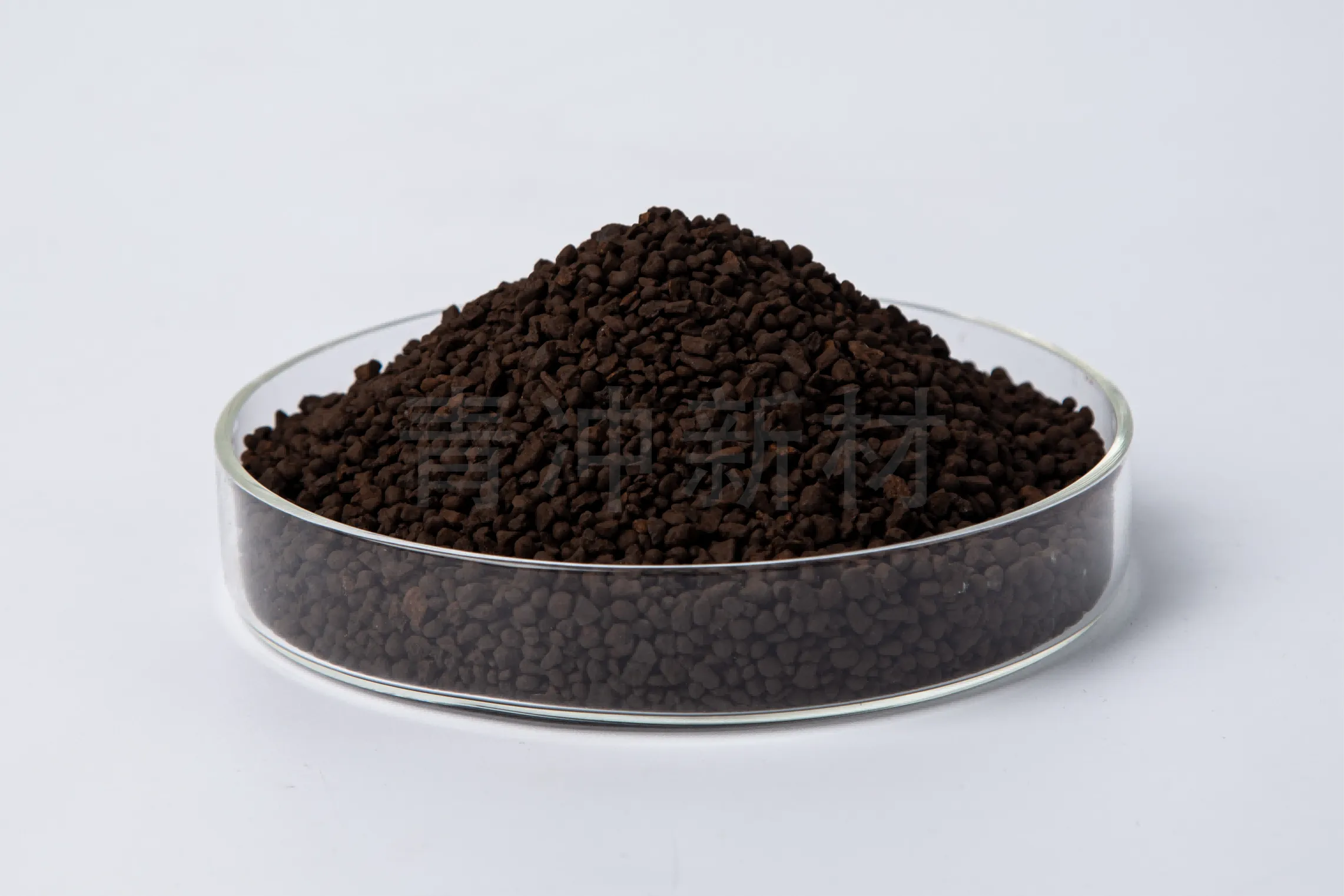
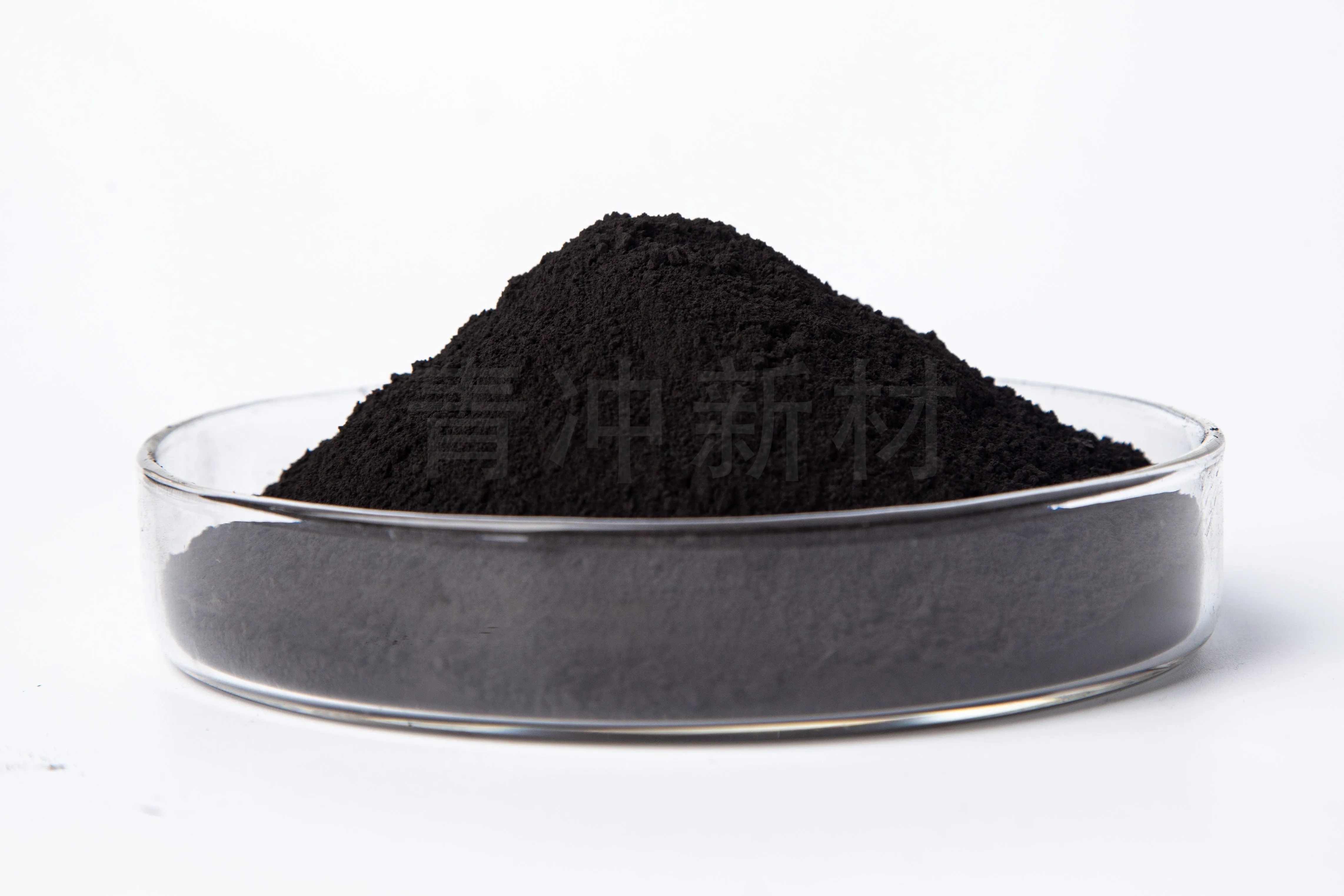
EMD is manganese dioxide made through an electrolytic production route. In battery use, the material is incorporated into a cathode formulation; it is not a complete electrode or finished cell by itself. In zinc-carbon and alkaline primary batteries, manganese dioxide serves as a cathode active material and works within a system that also includes other electrode and electrolyte components. Its function is therefore tied to the battery chemistry and the way the electrode is manufactured. The term “electrolytic” describes the production route, but does not by itself establish a particular purity, particle size, electrochemical performance, or suitability for a given cell design. Those characteristics need to come from a grade-specific datasheet or test information. Lithium manganese dioxide batteries are another context in which manganese dioxide chemistry is used, but battery chemistries should not be treated as interchangeable simply because they contain manganese dioxide. For a technical review, buyers can start by identifying the target chemistry and asking for the material’s exact grade name and supporting product documentation. This distinguishes a general material category from a specification suitable for production evaluation.