productlist

Electrolytic Manganese Dioxide Used in Battery Materials

electrolytic manganese dioxide used

Electrolytic manganese dioxide is used mainly as an active manganese-based material in battery cathode systems, where its electrochemical behavior influences discharge performance, energy utilization, and compatibility with the selected formulation. Buyers typically include battery manufacturers, cathode-material producers, chemical distributors, and research or industrial users that need a consistent manganese dioxide supply. The right material depends on more than the chemical name. Battery chemistry, formulation, purity requirements, particle characteristics, packaging, and quality documentation all need to be reviewed before an order is placed. QingChong New Materials is a Chinese manganese chemical manufacturer integrating research and development, production, and sales. Its location in Xiangtan, a major manganese production base known as the “Manganese Capital of China,” supports focused industry experience. This page explains how electrolytic manganese dioxide is used, where it may fit, what limitations to examine, and which technical details should be confirmed during supplier discussions.

Technical Detail

Configured around process stability, mold life, and long-term uptime.

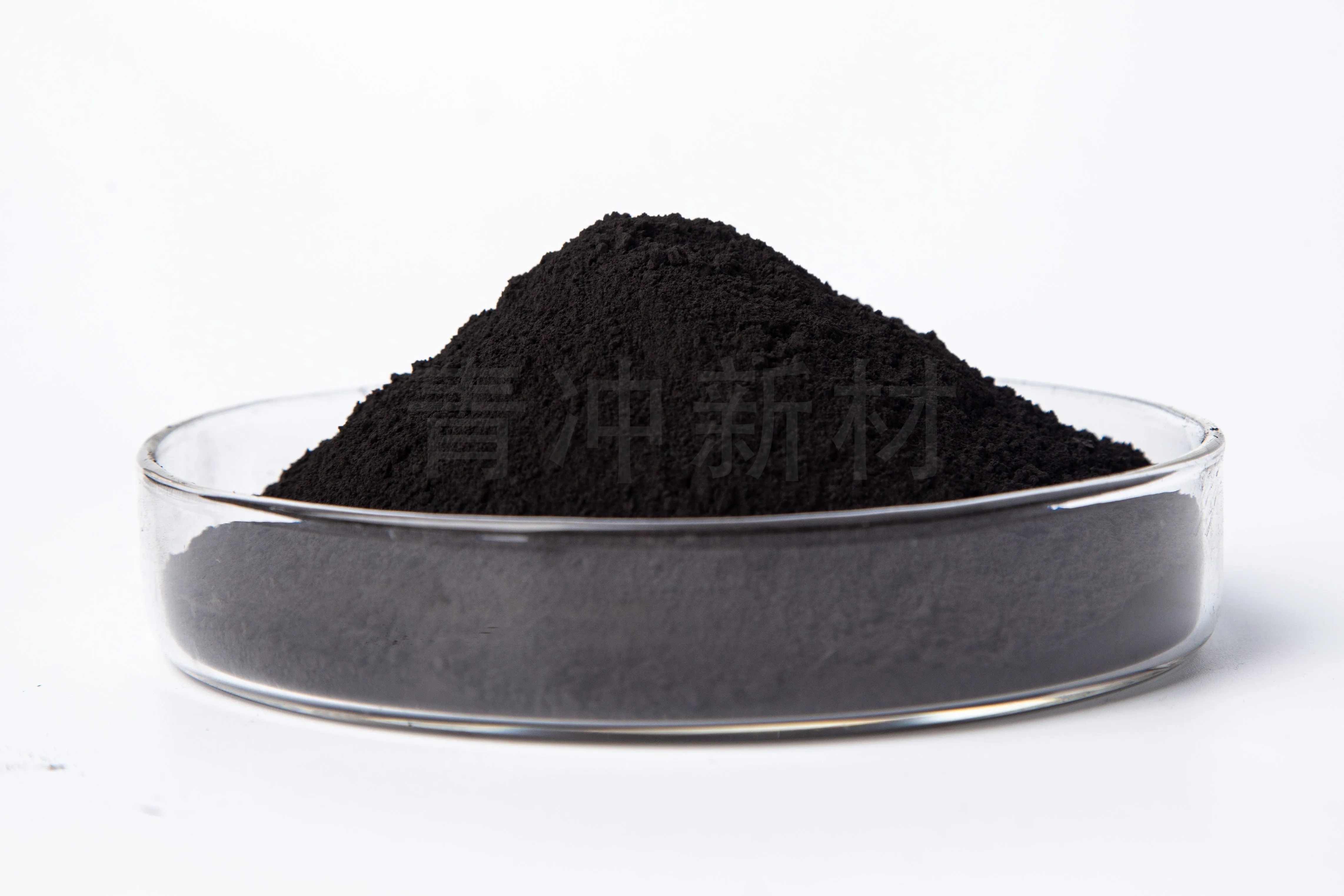
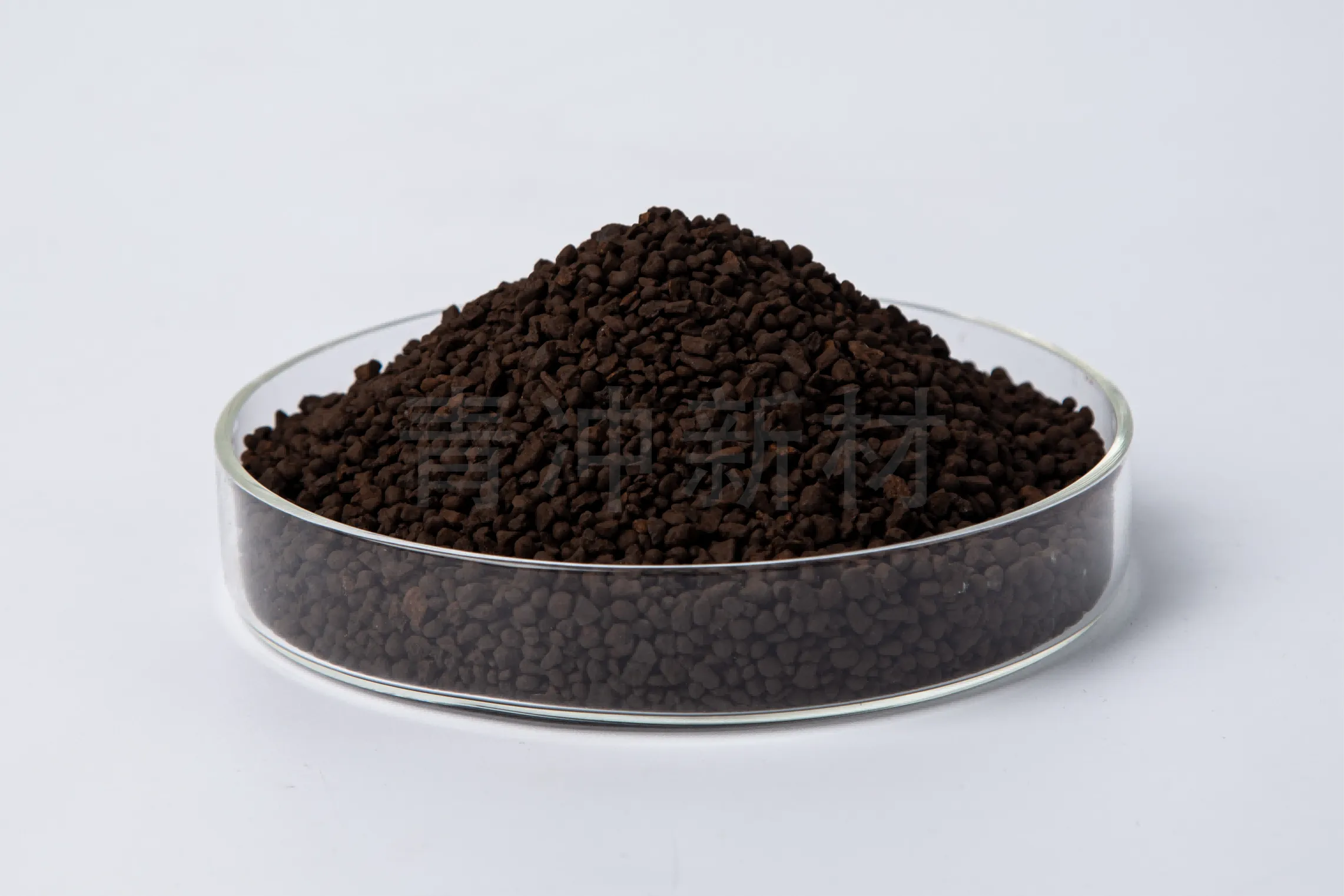
Electrolytic manganese dioxide, often abbreviated as EMD, is produced through an electrolytic route and supplied as a manganese dioxide material for applications where electrochemical activity and controlled material quality matter. It is commonly associated with battery cathode formulations, especially systems that require manganese dioxide as part of the active electrode composition. The exact suitability of an EMD grade cannot be determined from the product name alone. Buyers should request the applicable chemical specification, manganese dioxide content, impurity limits, moisture, particle-size information, bulk density, packaging format, and batch test documentation before approving a material. QingChong New Materials operates from Xiangtan Manganese Mine, one of China’s important manganese production areas, and has more than 20 years of experience in manganese chemicals. The company integrates R&D, manufacturing, and sales rather than treating sourcing as a purely trading transaction. Its quality-focused operating philosophy is supported by ISO9001:2008 Quality Management System Certification, passed in July 2010, while its National High-tech Enterprise status was certified in September 2019. Because no single EMD specification was provided for this page, final grade selection should be based on the buyer’s battery chemistry, process conditions, target performance, and incoming-quality requirements.

Electrolytic Manganese Dioxide (EMD)

How Electrolytic Manganese Dioxide Functions in a Battery

The phrase “electrolytic manganese dioxide used” generally refers to the role of EMD as a manganese dioxide active material in a battery cathode. During battery operation, the cathode participates in electrochemical reactions with the anode and electrolyte. The practical result depends on the crystal structure, electrochemical activity, purity, particle characteristics, and how the EMD is blended with the rest of the electrode formulation. EMD is not a universal drop-in material for every battery chemistry. Its performance is influenced by the formulation design, conductive additives, binder system, electrode loading, moisture control, and production process. For this reason, a supplier’s chemical name should be followed by a technical data sheet and batch-specific quality information. QingChong’s R&D and production integration can be relevant when a buyer needs to discuss material behavior beyond a basic commodity specification. However, the available product information does not identify a particular EMD grade, crystal form, particle-size range, or electrochemical test result. Those details should be confirmed directly before laboratory validation or commercial use.
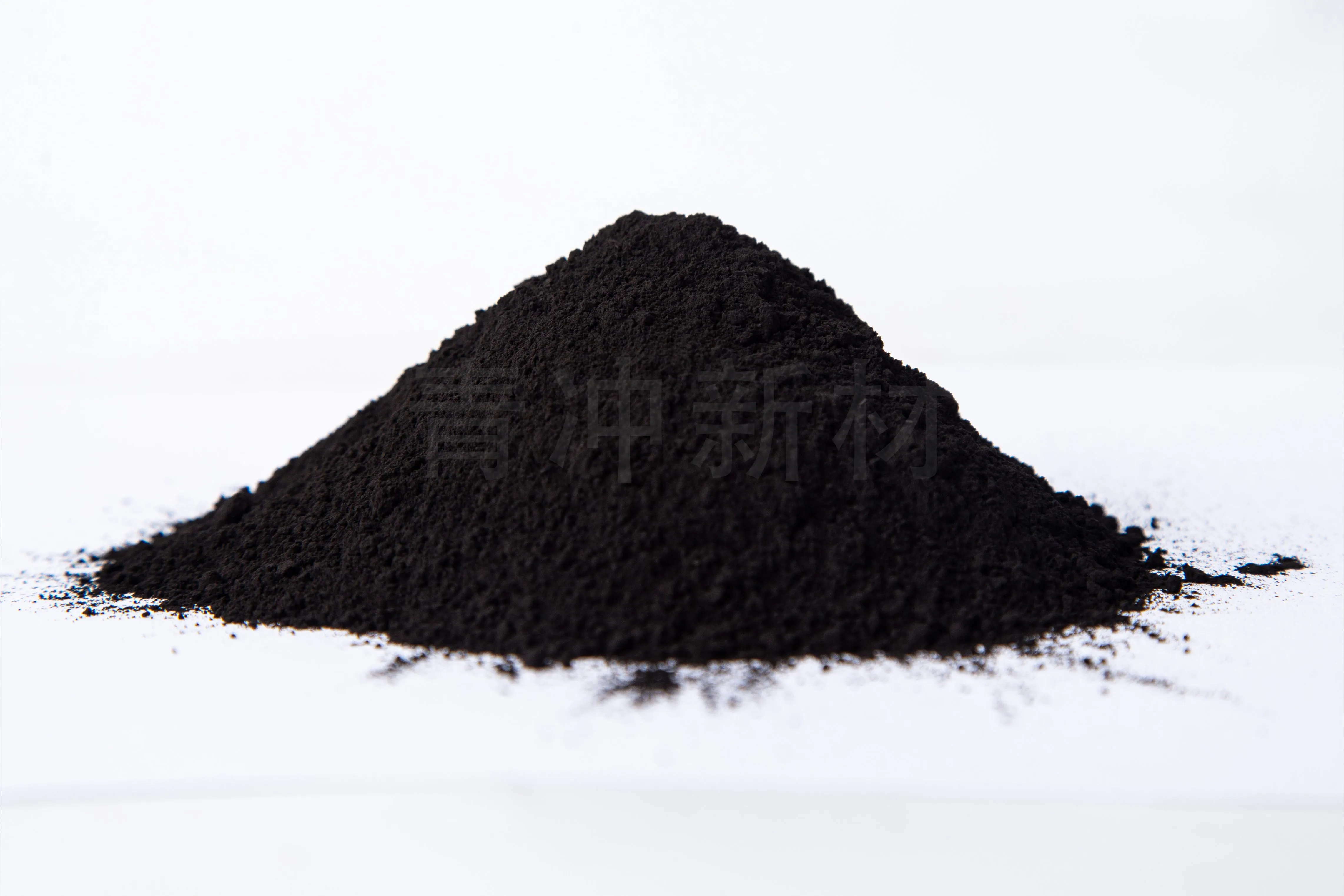
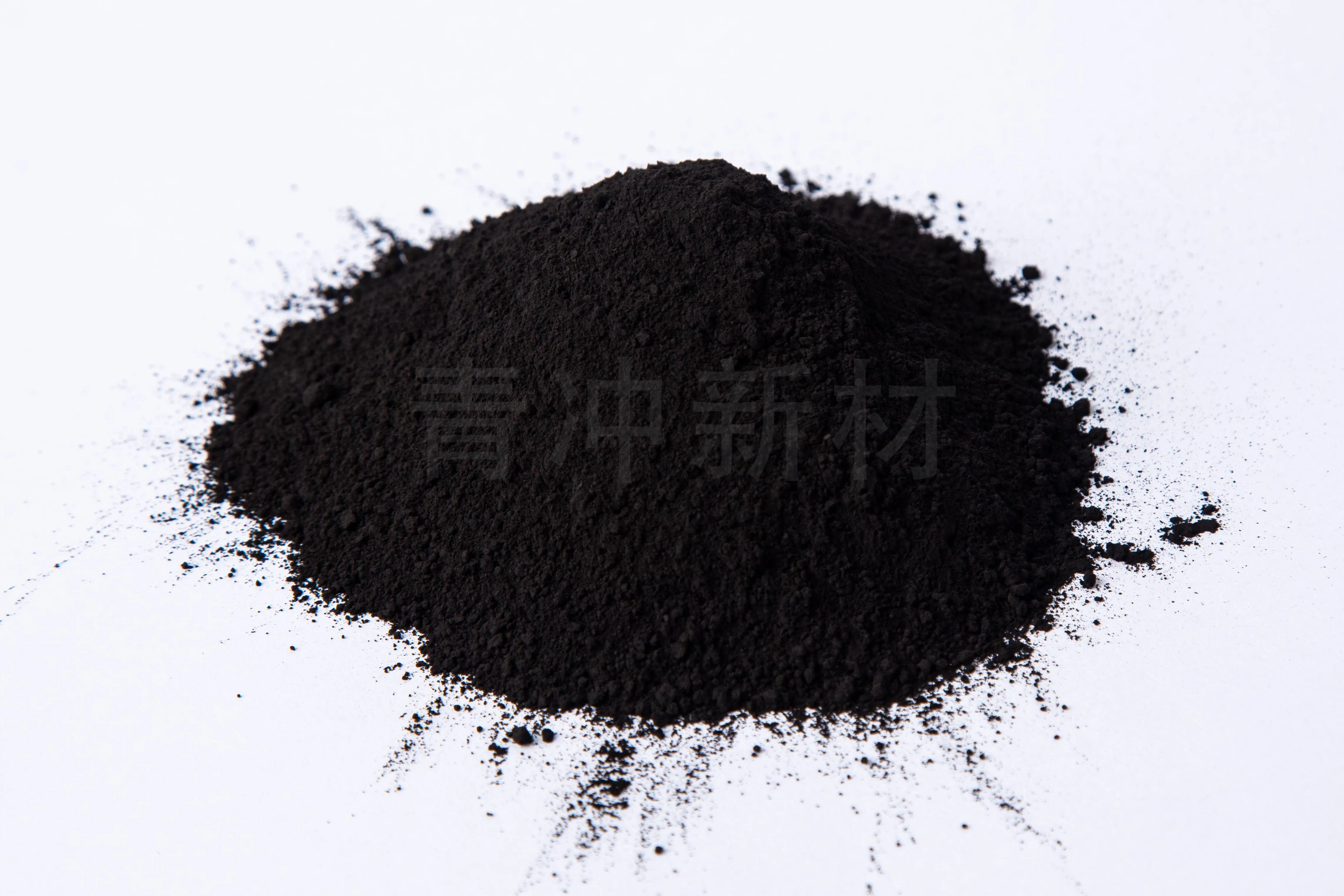
Electrolytic Manganese Dioxide (EMD)

Where EMD Fits—and Where Verification Is Needed

Electrolytic manganese dioxide may suit battery-material buyers that use manganese dioxide in primary battery cathodes or other manganese-based electrochemical formulations. It can also be considered by distributors and industrial users that need a manganese chemical supplier with export capability. Suitability becomes less certain when the buyer requires a narrowly defined particle-size distribution, controlled surface area, very low levels of specific impurities, special moisture limits, or performance data for a proprietary cathode recipe. These requirements can affect mixing, coating, compaction, storage stability, and final cell performance. The operating environment should also be reviewed: humidity exposure, transport conditions, storage duration, and packaging protection may matter for powder handling. A buyer should compare the requested specification with the supplier’s certificate of analysis rather than relying on a general EMD description. QingChong’s Xiangtan location and long-term manganese-industry focus provide relevant sourcing context, but the final suitability decision still requires application-specific testing and confirmation of the available grade.

Electrolytic Manganese Dioxide (EMD)

What to Prepare Before Requesting an EMD Quote

Before contacting QingChong about electrolytic manganese dioxide, prepare a concise technical and purchasing brief. State the intended battery chemistry or end use, required manganese dioxide content, impurity limits, moisture requirement, particle-size target, preferred packaging, estimated purchase volume, destination market, and any regulatory or documentation needs. If the material will be evaluated first, indicate the sample quantity and laboratory tests required. Buyers should also ask whether the proposed material is a standard grade or requires a tailored specification, and request the relevant technical data sheet, certificate of analysis, safety information, and packaging details. Since no specific EMD model, grade code, price, minimum order quantity, or delivery schedule was provided, these points should be confirmed rather than assumed. A clear inquiry allows QingChong’s integrated R&D, production, and sales teams to assess the request more accurately. It also helps both sides identify whether the next step is document review, sample testing, or a formal commercial quotation.

News

Industry updates

Products

Production modules

Why Choose Us

A Manganese Specialist for Technical, Quality-Focused Sourcing

QingChong New Materials brings together more than 20 years of manganese-chemical experience, R&D, manufacturing, and sales under one organization. Its location in Xiangtan Manganese Mine places the company within one of China’s recognized manganese production bases, providing an industry-focused foundation for manganese material supply. Quality management is central to its stated operating philosophy, and the company passed ISO9001:2008 Quality Management System Certification in July 2010. It was also certified as a National High-tech Enterprise in September 2019 and has obtained multiple invention patents through cooperation with local universities. These facts offer buyers a basis for evaluating technical depth and quality-system maturity without relying on unsupported performance claims. QingChong’s multilingual website, available in 14 languages, supports communication with international customers, while its integrated export operations are intended for global markets. For EMD buyers, the practical advantage is a supplier discussion that can cover technical documentation, material requirements, production considerations, and commercial coordination in one process. Final product suitability should still be confirmed against the buyer’s own specification and validation results.

FAQ

Common technical questions

What is electrolytic manganese dioxide used for?

It is primarily used as a manganese dioxide active material in battery cathode formulations, particularly where the buyer’s chemistry and process are compatible with the selected EMD grade. The exact application should be confirmed through technical data and testing.

How is EMD different from ordinary manganese dioxide?

The term EMD identifies manganese dioxide produced through an electrolytic manufacturing route. Buyers should compare crystal structure, purity, impurity limits, particle characteristics, moisture, and electrochemical data instead of judging materials only by the name or production route.

Can EMD be used directly in any battery formulation?

No. Compatibility depends on the battery chemistry, cathode formulation, electrode-processing conditions, and required performance. Laboratory evaluation is recommended when the formulation, grade, or impurity requirements are different from the supplier’s standard specification.

What documents should a buyer request from an EMD supplier?

Request the technical data sheet, certificate of analysis, safety information, packaging details, and available quality or production documentation. The inquiry should also state the intended use and required limits so the supplier can identify an appropriate material.

How should electrolytic manganese dioxide be stored before use?

Storage conditions should follow the supplier’s safety and packaging instructions. In general, buyers should protect the powder from moisture, contamination, and damaged packaging, while confirming any specific humidity, temperature, shelf-life, or handling requirements for the supplied grade.

Need a solution for your project?

Share your product type, target capacity, and application requirements. Our team can review the details and recommend a practical next step.

Contact Us
Whatsapp
WeChat

CONTACT US

Office Address:21/F,Zhonghan Fortune Building,Ji'an Road, Yuetang District,Xiangtan,Hunan,China

Factory Address: Heling Town, Yuhu District, Xiangtan City, Hunan Province, P.R.China

WhatsApp: 8613786275365

Fax: 86-731-52326088

E-mail: [email protected]