 EN
EN
 CN
CN
 fr
fr es
es ar
ar ru
ru de
de pt
pt tr
tr vi
vi it
it ja
ja ko
ko hi
hi
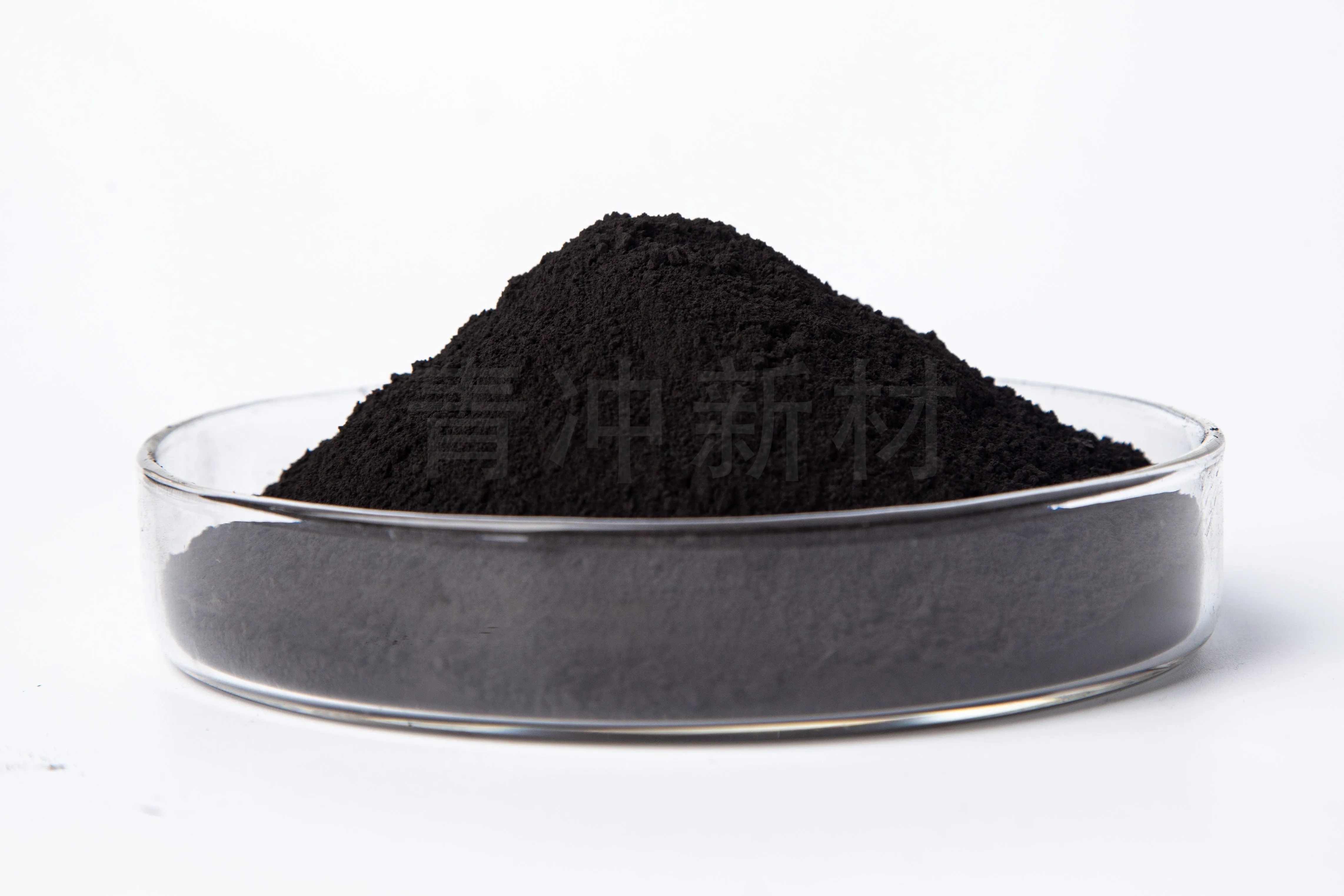
How Electrolytic Deposition Produces Manganese Dioxide
In the general EMD manufacturing route, a manganese-containing solution serves as the electrolyte and electrical current drives manganese dioxide deposition at the anode. The deposited material is then removed and processed into a usable product. Feed preparation, electrolyte control, deposition, washing, and subsequent handling can all influence the material presented to a buyer. This is a description of the technology, not a claim that QingChong uses a particular cell design, recipe, or sequence of finishing steps. The distinction matters because the word “electrolytic” identifies a production route, while the properties of a delivered grade depend on how that route is controlled and how the material is finished. A process diagram alone cannot establish particle-size distribution, residual impurities, or performance in a customer’s formulation. QingChong’s integrated R&D, production, and sales structure provides a relevant point of contact for process-related questions, but process-specific details have not been supplied here. Technical teams reviewing EMD should distinguish information about the underlying electrochemical reaction from verified data for the offered grade. That keeps discussions of manufacturing technology useful without treating general process knowledge as a product certificate.