 EN
EN
 CN
CN
 fr
fr es
es ar
ar ru
ru de
de pt
pt tr
tr vi
vi it
it ja
ja ko
ko hi
hi
How the Two Materials Perform Different Jobs
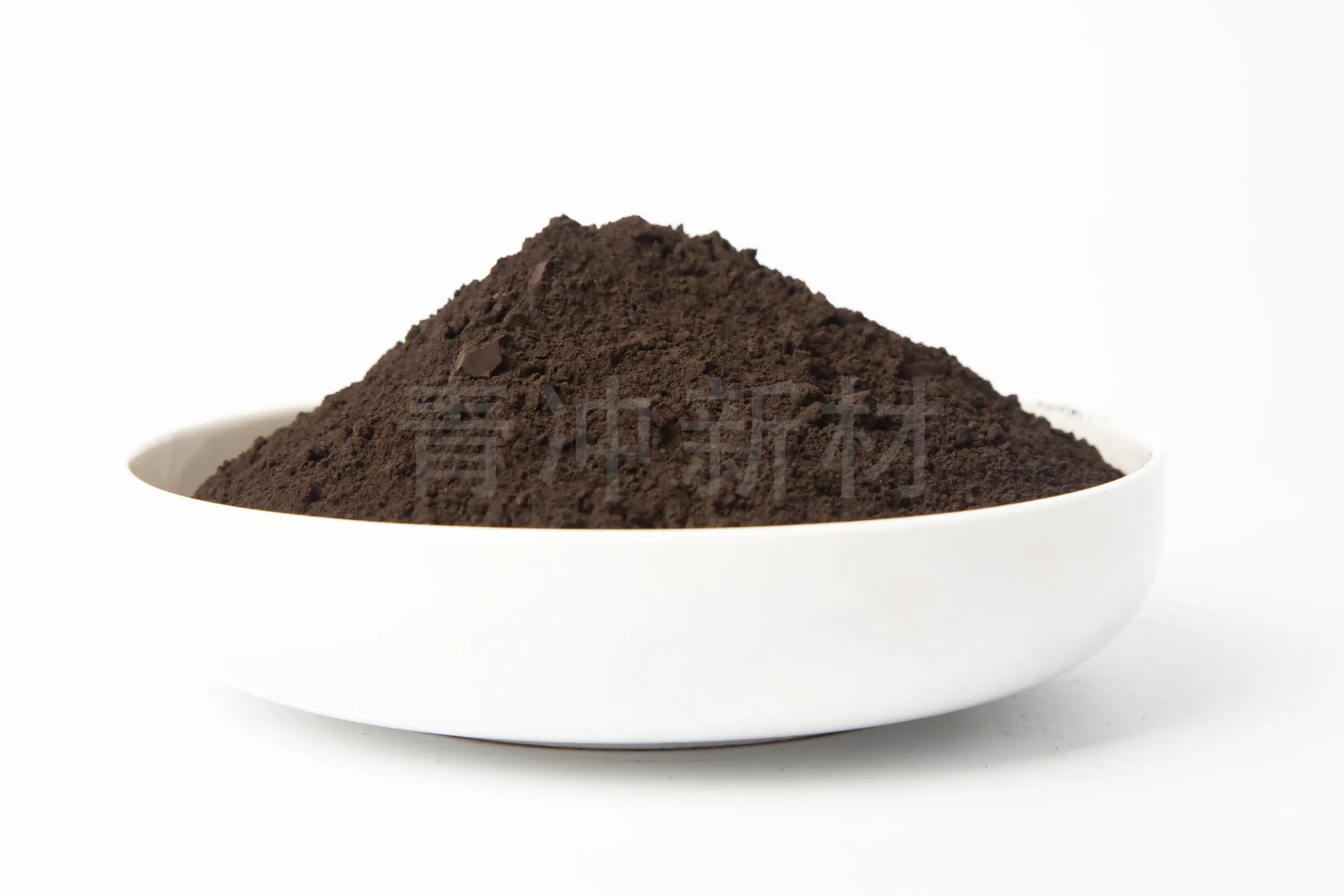
Activated carbon works primarily through adsorption: substances in a fluid contact its porous surface and some are retained there. Manganese dioxide can participate in oxidation-related treatment and may serve as a component of certain filtration media. These mechanisms are different. A system intended to address dissolved metals and an organic taste issue might consider both, but the presence of both problems does not establish that they should be mixed in one vessel. Contact time, pretreatment and media arrangement can affect what happens in practice. Material identity also matters. The manganese dioxide named in an inquiry could refer to a chemical raw material rather than a filter-ready medium with an established particle form. QingChong’s supplied profile identifies manganese dioxide and compound manufacturing but gives no particle-size distribution, form or filtration performance for a specific product. Likewise, it provides no activated carbon specification. Treat the two names as separate material categories until actual grades are identified. That distinction helps engineering and procurement teams read technical documents correctly: a chemical composition alone does not describe how a material will behave inside a working filter. Any proposed treatment mechanism should be checked against the supplied grade documents and the process design.