productlist

Pigment manganese carbonate for Ceramic Color Formulations

Pigment manganese carbonate

A manganese source can behave differently in a fired ceramic glaze than it does in a room-temperature color trial. That distinction matters to buyers searching for Pigment manganese carbonate: manganese carbonate may be used as an ingredient in ceramic color formulations, but the final appearance depends on the complete recipe and firing conditions. QingChong New Materials is a Chinese manganese chemical manufacturer with integrated R&D, production, and sales operations. For ceramic pigment producers, glaze formulators, and industrial buyers, the first question is whether a proposed grade has documented characteristics that fit the process, not whether its name alone sounds suitable. Share the intended application, processing steps, and the properties you need controlled. A supplier can then discuss available documentation and whether a suitable grade can be identified. No grade specification, particle-size distribution, purity value, or pigment-performance result has been supplied for this page, so none should be assumed. Treat this page as a starting point for a technical discussion, with sample evaluation where your process requires it.

Technical Detail

Configured around process stability, mold life, and long-term uptime.

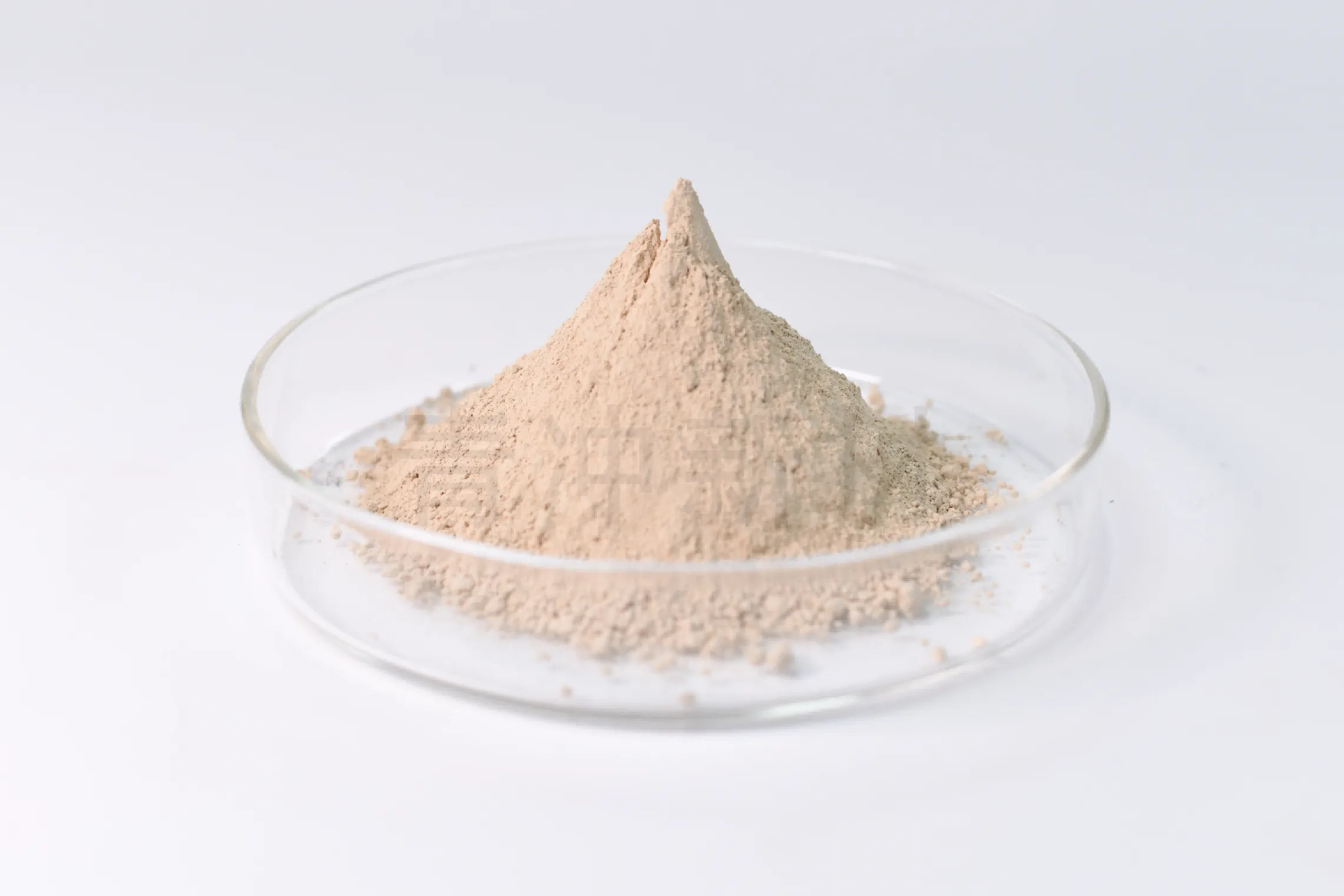
Pigment manganese carbonate refers here to manganese carbonate, MnCO3, considered for use as a manganese-bearing ingredient in pigment or ceramic color production. It should not be read as the name of a verified QingChong product grade. In a ceramic color workflow, a buyer may add a manganese source to a formulation that will later be fired; the visual result must be judged in the finished system. Other pigment processes may have different requirements, so the application needs to be stated before suitability can be discussed. Buyers likely to need this material include ceramic pigment manufacturers, glaze developers, and procurement teams sourcing raw materials against an approved formulation. The practical distinction is between purchasing a chemical by name and purchasing a grade supported by the documents your production team uses. QingChong New Materials operates from the Xiangtan Manganese Mine area and brings more than 20 years of manganese-industry experience to conversations about manganese chemicals. Its integrated R&D, production, and sales structure provides a relevant basis for discussing application requirements, although it does not establish that a particular pigment grade is available. Before treating any offer as suitable, request the current product specification and confirm the stated composition, impurity limits, particle characteristics, and handling information where applicable. No values for these characteristics have been provided here. For a color-critical purchase, ask whether a sample and batch-specific documentation are available, then compare the material in your own formulation under your normal process conditions. That gives both technical and purchasing teams a firmer basis for approval than an unqualified product label.

Manganese Carbonate (MnCO₃)

How Manganese Carbonate Contributes to Fired Color

Manganese carbonate is a source of manganese, rather than a guarantee of any single finished pigment shade. In a firing process, carbonate-containing ingredients can change chemically as temperature rises; the manganese then participates in reactions determined by the surrounding formulation and atmosphere. For ceramic work, that means the ingredient's role cannot be understood from a photograph of the raw powder alone. A color trial needs to follow the material through the same mixing, firing, and cooling stages used in production. The formula matters as well: other ingredients and the way they interact with manganese influence the outcome. This is why Pigment manganese carbonate should be discussed as a formulation input unless a supplier provides evidence for a defined finished-pigment product. QingChong New Materials' stated focus is manganese chemicals, with R&D and production within the same business. That background is relevant to a discussion of manganese-bearing raw materials, but the supplied information does not identify a pigment-specific process, surface treatment, or verified grade. Keep those points separate in technical documents. If a proposed material is intended for firing, document the observed result after firing; if it is intended for a different pigment process, establish its function in that process before drawing conclusions from ceramic examples.
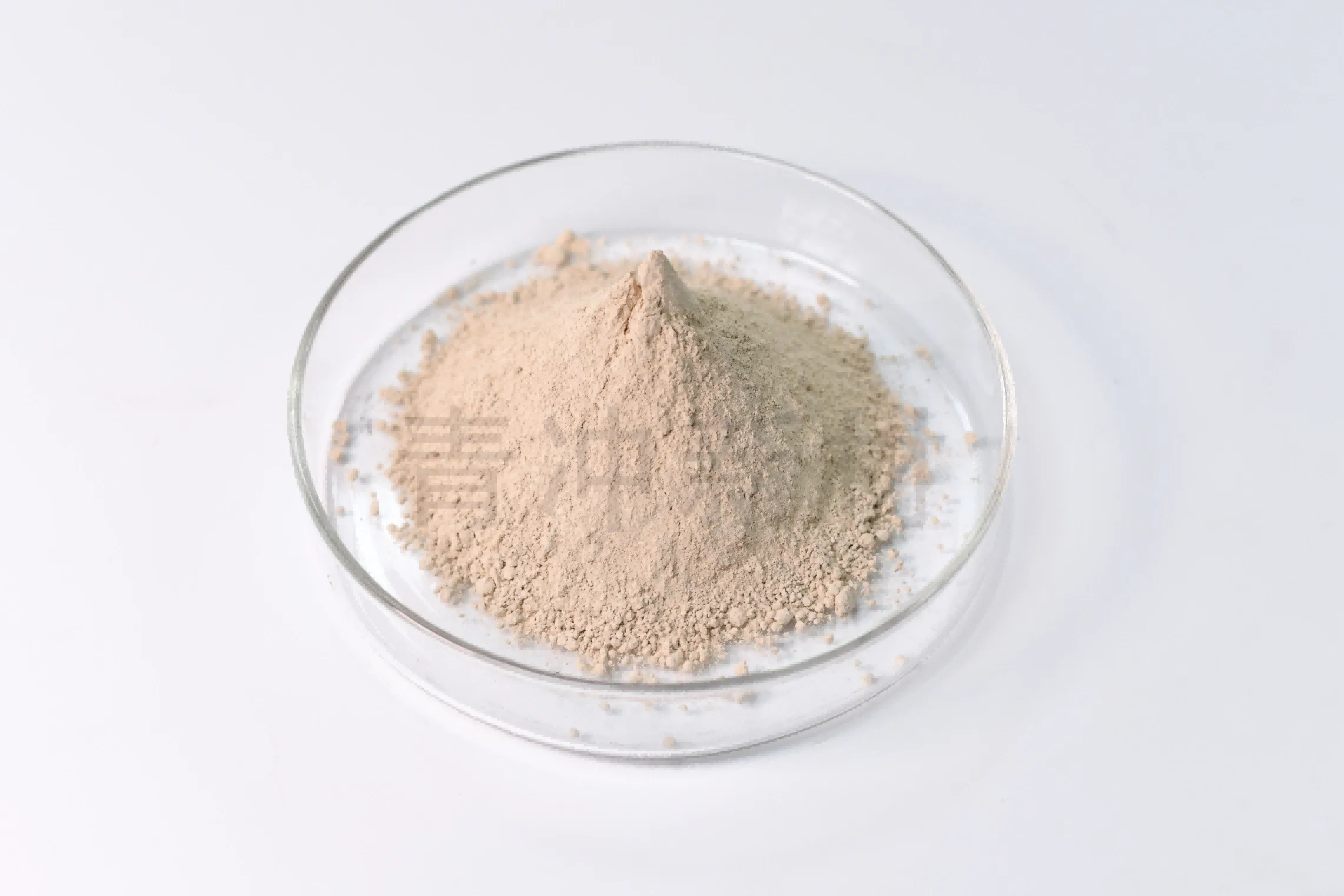
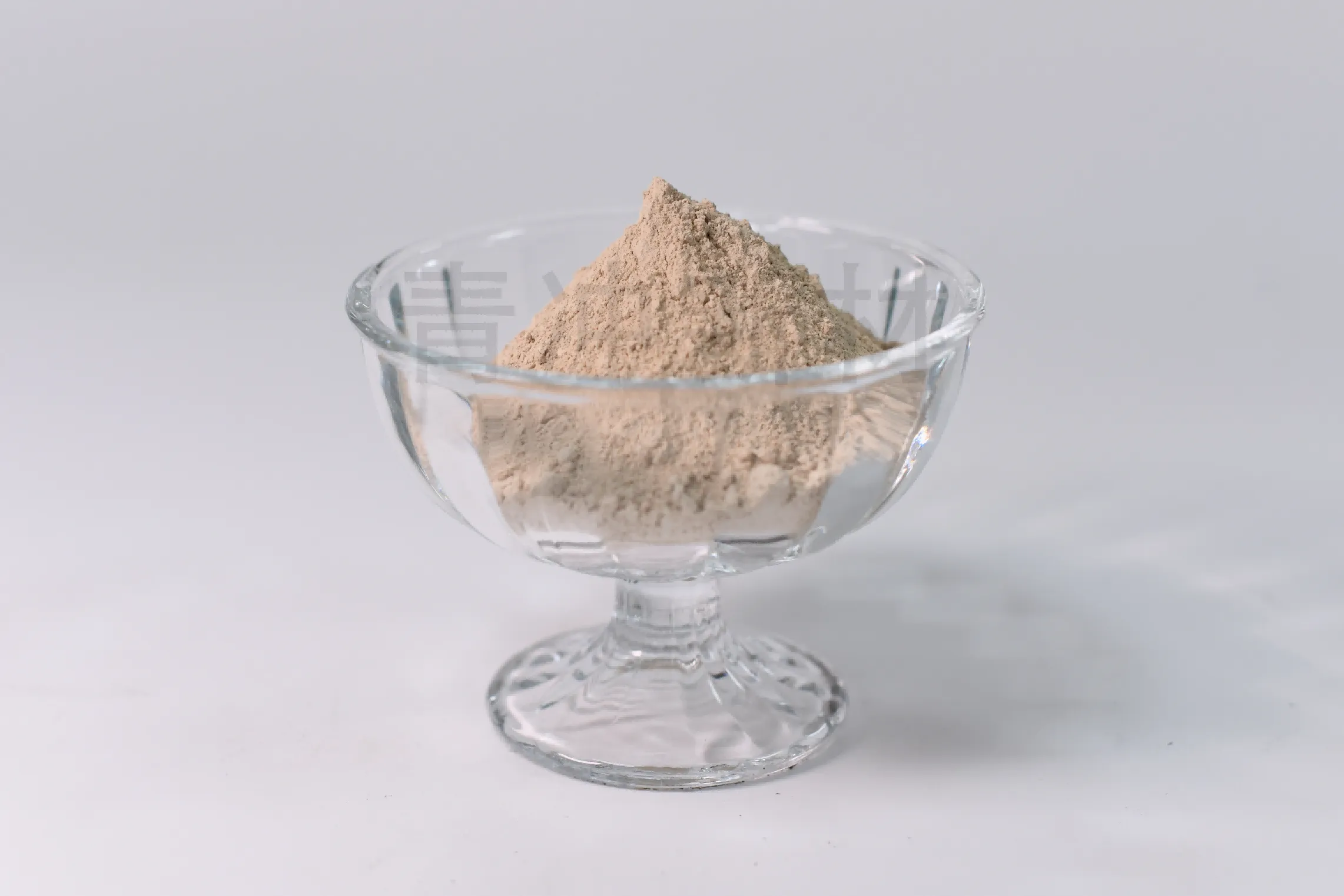
Manganese Carbonate (MnCO₃)

Assessing Fit for the Actual Firing and Processing Conditions

A material that works in one glaze or pigment recipe may not produce the same result in another. To assess fit, start with the conditions that can change the outcome: firing temperature profile, kiln atmosphere, other manganese-bearing ingredients, and the desired appearance after cooling. Trial batches should use the same substrate and application method as production where those factors matter to the result. Record the fired appearance and any production issue your team monitors, then compare them with an approved reference. Processing before firing also deserves attention. The way a powder disperses into a mixture can affect consistency, so a buyer may need particle information or a practical mixing trial. If a process has limits for particular impurities, those limits should be checked against a current supplier document, not inferred from the chemical name. The QingChong information supplied here does not state a pigment grade, tested firing range, particle-size distribution, or impurity profile. Consequently, neither ceramic suitability nor suitability for coatings, plastics, or other unfired systems can be confirmed from this page. Use the application and test results to make that judgment, and ask for documentation specific to any proposed material before changing an approved production recipe.

Manganese Carbonate (MnCO₃)

What to Send Before Requesting a Grade Recommendation

A useful inquiry starts with the intended product: say whether the manganese carbonate is for a ceramic pigment, a glaze formulation, or another manufacturing process. Include your existing material specification if this is a replacement project, and identify which requirements are mandatory rather than preferred. For ceramic work, share the firing schedule, atmosphere, formulation constraints, and the appearance or performance criteria used to approve a trial. State whether your team needs a sample evaluation, a current specification, safety documentation, or batch-specific quality records. Where particle behavior affects mixing, describe the processing method and the particle characteristics you currently accept. These details let a technical discussion focus on points that can actually be checked. QingChong New Materials integrates R&D, production, and sales, but the information supplied does not confirm an available pigment grade, a customization option, a sample policy, or a delivery schedule. Ask the company to confirm each relevant item for the proposed material and destination market. Once documentation is received, compare it with your purchasing limits and run the material through your established approval procedure. Avoid approving a substitution solely because both products are called manganese carbonate; documented grade characteristics and results in your process are the deciding evidence.

News

Industry updates

Products

Production modules

Why Choose Us

Why Discuss Manganese Carbonate Requirements with QingChong

QingChong New Materials has a defined manganese-chemical focus, which is relevant when a buyer needs to discuss a manganese-bearing ingredient for pigment production. The company is located in the Xiangtan Manganese Mine area and reports more than 20 years of industry experience. Its R&D, production, and sales operations are integrated, giving a prospective buyer one company to approach with technical requirements and purchasing questions. QingChong also states that it maintains a strict quality control system. For an industrial purchase, ask how that system applies to the particular material offered and which specification or batch documents can be supplied; the existence of a company-level system is not a substitute for product-level evidence. QingChong passed ISO9001:2008 quality management system certification in July 2010 and was certified as a National High-tech Enterprise in September 2019. Those are company credentials, not claims that Pigment manganese carbonate carries a separate product certification or has been qualified for a specific pigment process. The company also presents its information in 14 languages for global markets. Buyers can use that access to open a technical inquiry, then confirm the current certification status, proposed grade, and documentation needed for their own approval process.

FAQ

Common technical questions

Is pigment manganese carbonate the same as a finished ceramic pigment?

No. Manganese carbonate is a manganese-bearing raw material that may be used in a color formulation. A finished pigment has to be assessed after the relevant processing and firing steps. Ask what form and grade the supplier is offering.

Can I use this material in an unfired paint or plastics formulation?

Suitability cannot be established from the supplied information. An unfired system has different color, dispersion, and stability requirements from a ceramic firing process. Provide the full application and request grade-specific data before testing it.

Should I compare manganese carbonate grades by MnCO3 content alone?

No. Composition matters, but your process may also be sensitive to impurities, particle characteristics, or batch consistency. Define the limits that affect your product and compare them with a current specification for each proposed grade.

What should we record during a ceramic color trial?

Record the material identification, batch reference, formulation, mixing method, firing schedule, atmosphere, and finished appearance. Use your normal control material alongside the trial where possible, so differences can be assessed against a consistent reference.

Need a solution for your project?

Share your product type, target capacity, and application requirements. Our team can review the details and recommend a practical next step.

Contact Us
Whatsapp
WeChat

CONTACT US

Office Address:21/F,Zhonghan Fortune Building,Ji'an Road, Yuetang District,Xiangtan,Hunan,China

Factory Address: Heling Town, Yuhu District, Xiangtan City, Hunan Province, P.R.China

WhatsApp: 8613786275365

Fax: 86-731-52326088

E-mail: [email protected]