productlist

EMD Usage: Applications, Conditions, and Buying Guide

EMD usage

EMD usage usually refers to the use of electrolytic manganese dioxide in electrochemical and manganese-based material applications. Buyers may encounter EMD when sourcing materials for battery cathodes, specialty chemical processing, or other processes that require controlled manganese dioxide performance. However, the right material depends on more than the name alone. Particle characteristics, chemical purity, processing compatibility, and the operating environment may all affect suitability. QingChong New Materials is a high-tech Chinese manganese chemical manufacturer integrating R&D, production, and sales. Based in Xiangtan, one of China’s major manganese production areas, the company serves customers seeking dependable manganese chemical solutions for global supply chains. This page explains the practical meaning of EMD usage, the conditions buyers should evaluate, and the information to prepare before requesting technical support or a quotation. Because no specific EMD grade or datasheet has been provided, final selection should be confirmed against the intended process and the manufacturer’s current technical documentation.

Technical Detail

Configured around process stability, mold life, and long-term uptime.

EMD, or electrolytic manganese dioxide, is a manganese dioxide material produced through an electrolytic manufacturing route. Its use is generally considered where manganese dioxide chemistry, electrochemical behavior, and process consistency matter. The exact suitability of an EMD grade cannot be determined from the product name alone; buyers should confirm the available chemical specifications, physical form, particle characteristics, and application requirements with the supplier. QingChong New Materials focuses on manganese dioxide and compound products and operates from Xiangtan, known as the “Manganese Capital of China.” This location supports access to an established manganese industry base. The company has more than 20 years of industry experience and combines R&D, production, and sales rather than relying on a sales-only model. Its quality framework includes ISO9001:2008 Quality Management System Certification, passed in July 2010, while the company was recognized as a National High-tech Enterprise in September 2019. For international buyers, a multilingual website covering 14 languages and established export capabilities can simplify technical communication across markets. Since the available product information does not identify a specific EMD grade, buyers should request the current datasheet, test method, packaging details, and application guidance before confirming EMD usage in production.

Electrolytic Manganese Dioxide (EMD)

What EMD Is and Why Its Production Route Matters

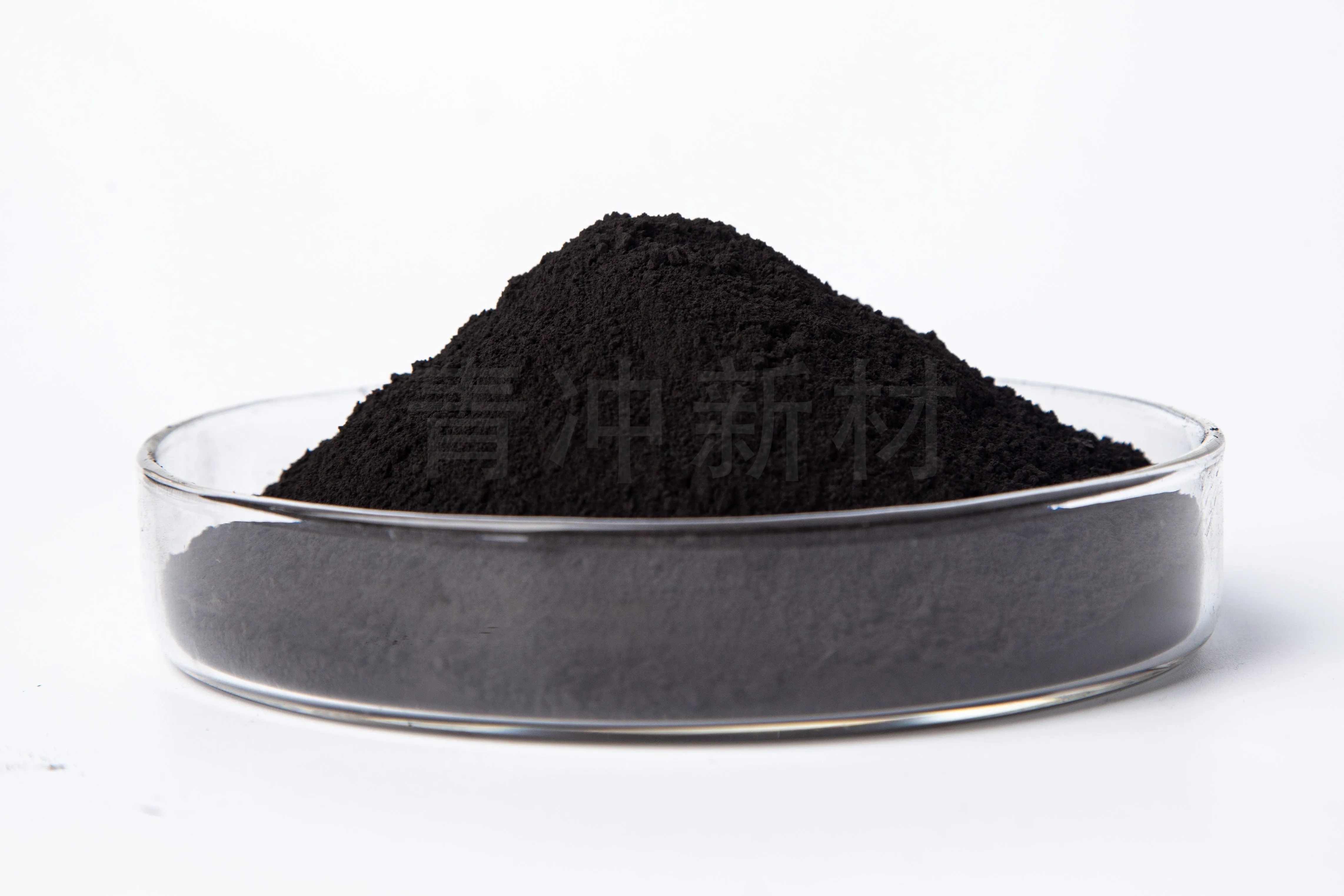
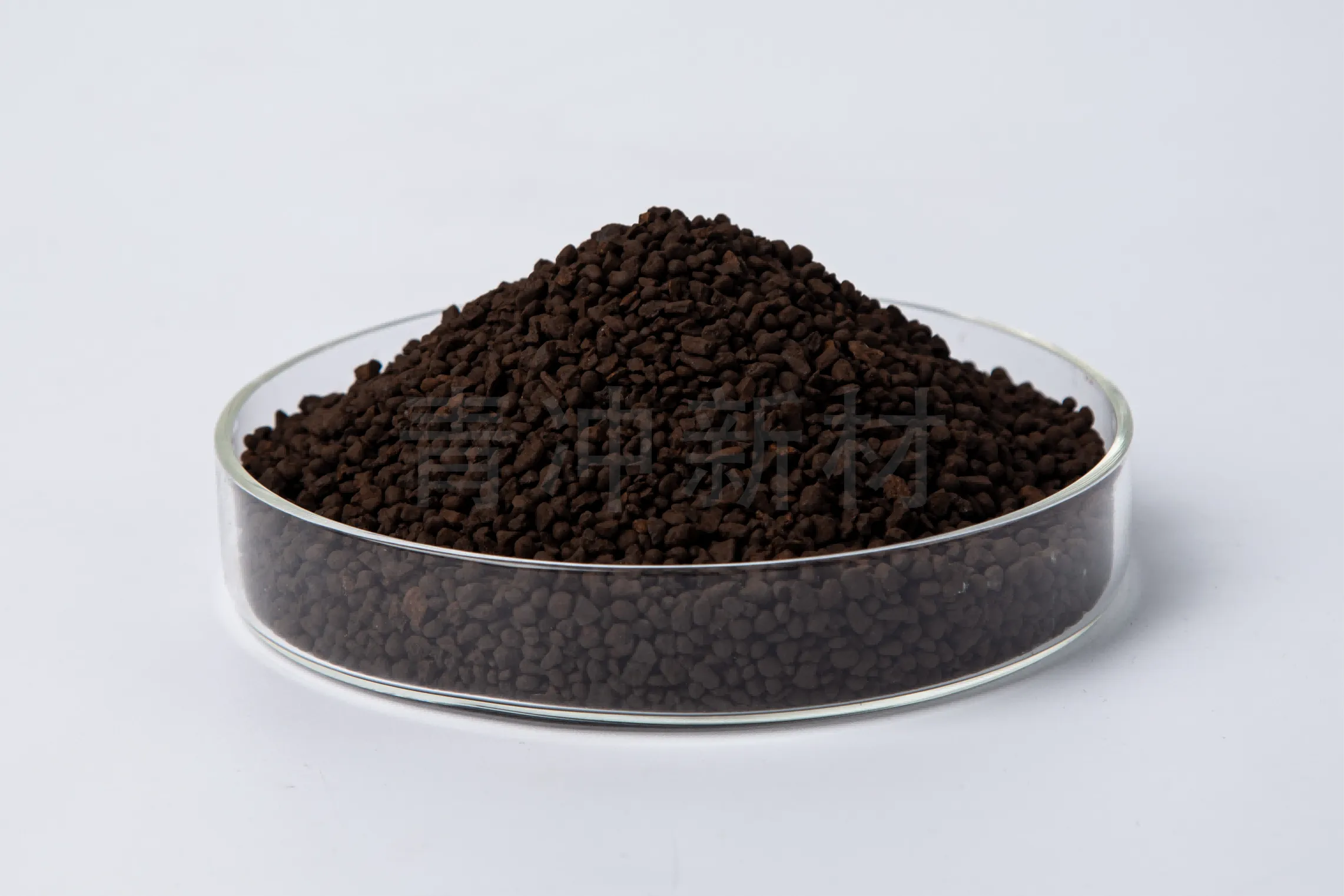
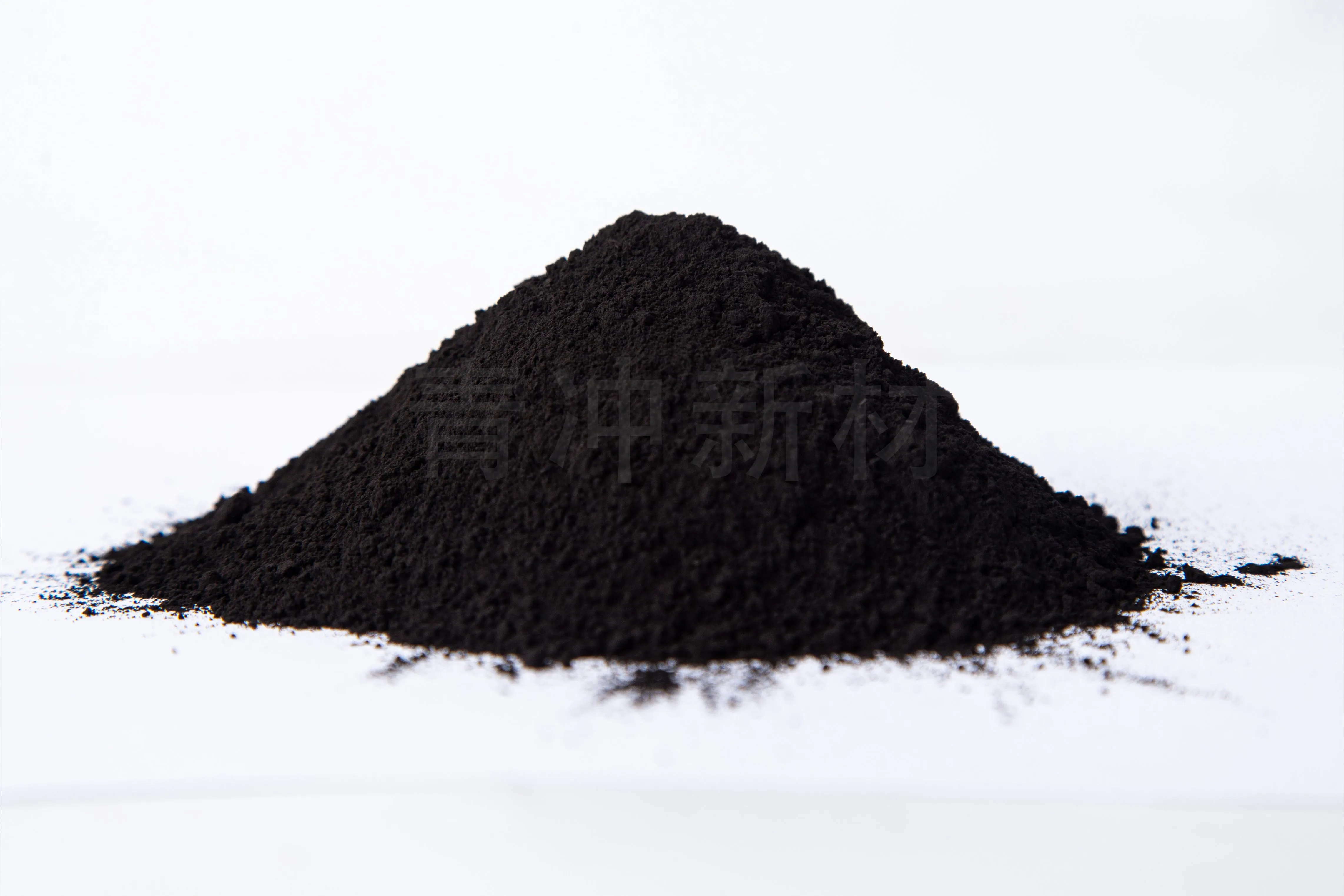
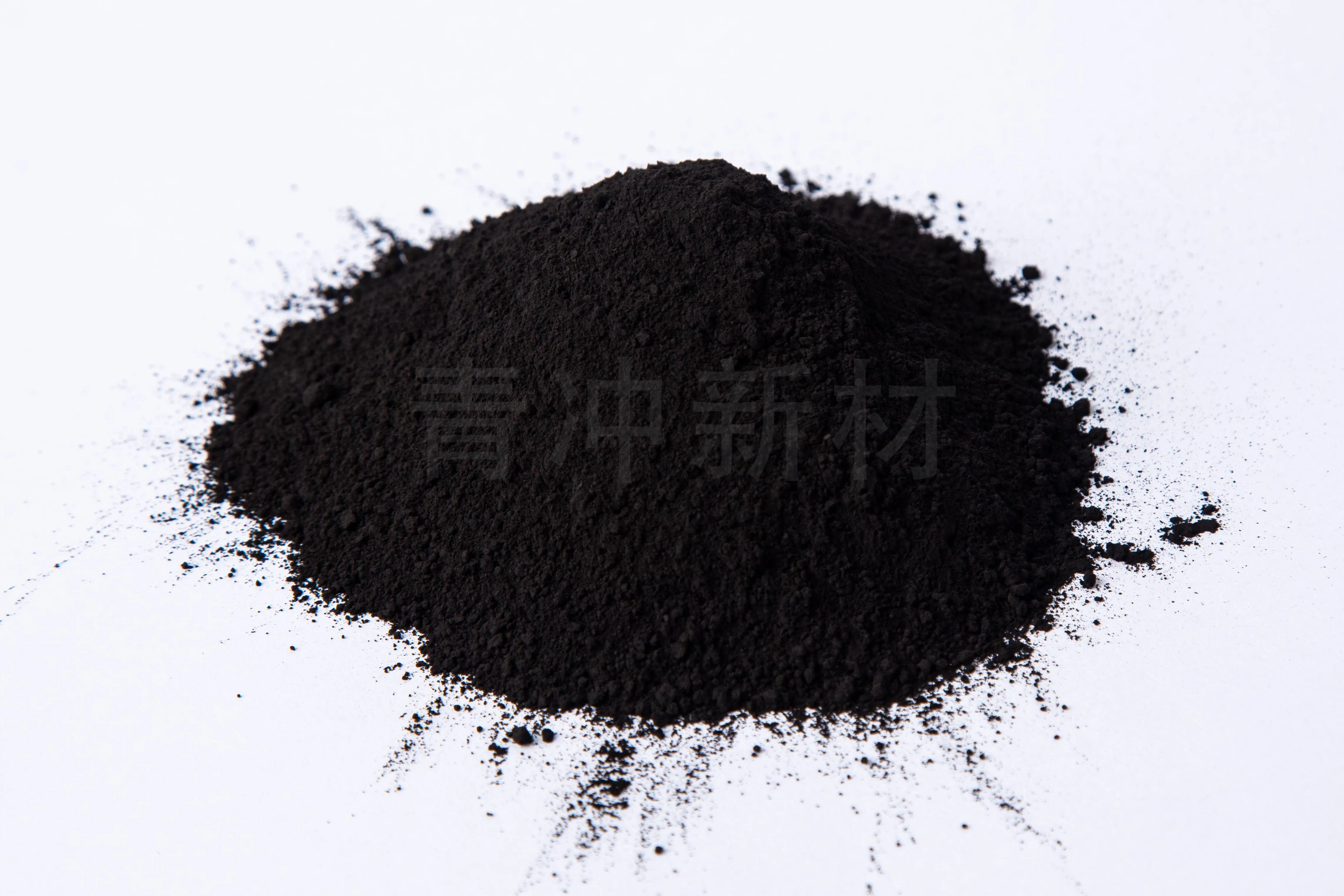
EMD stands for electrolytic manganese dioxide. Unlike a generic reference to manganese dioxide, the term identifies a material associated with an electrolytic production route. In practical purchasing, that distinction matters because different manganese dioxide materials can vary in chemical composition, crystal structure, moisture, particle size, and electrochemical response. These properties influence how the powder behaves during mixing, coating, reaction, or other downstream operations. EMD usage should therefore be discussed in relation to the buyer’s process rather than treated as a universal specification. The material may be supplied as a powder, but the acceptable physical form, handling characteristics, and test criteria must be confirmed from the relevant product documentation. QingChong New Materials presents itself as a manganese dioxide and compound manufacturer with integrated R&D, production, and sales operations. That structure may allow technical discussions to connect product requirements with manufacturing considerations, although the exact EMD grade and specifications are not included in the supplied information. A buyer should ask which properties are controlled, how they are tested, and whether the reported values are typical, minimum, or maximum limits.
Electrolytic Manganese Dioxide (EMD)

Where EMD Usage Fits—and Where It Needs Review

EMD may be considered for applications involving manganese dioxide as an electrochemical or chemical functional material, but suitability depends on the operating environment. Buyers should review the intended application, contact materials, process temperature, moisture sensitivity, mixing method, reaction conditions, and any limits on impurities. For battery-related work, the required electrochemical behavior and downstream formulation should be discussed directly with the supplier. For chemical or specialty material processes, compatibility with solvents, binders, reactants, and heat treatment may become more important than the product name. A material that performs well in one formulation may require additional validation in another. EMD usage also needs review when the process has strict particle, surface, or consistency requirements, because those details are not provided in the current product information. QingChong’s location in Xiangtan places it within an established manganese production base, but geographic origin alone does not prove application fit. Before approving a grade, buyers should compare the supplier’s technical data with their own incoming-material limits and conduct the qualification testing required by their process.

Electrolytic Manganese Dioxide (EMD)

What to Confirm Before Choosing or Requesting EMD

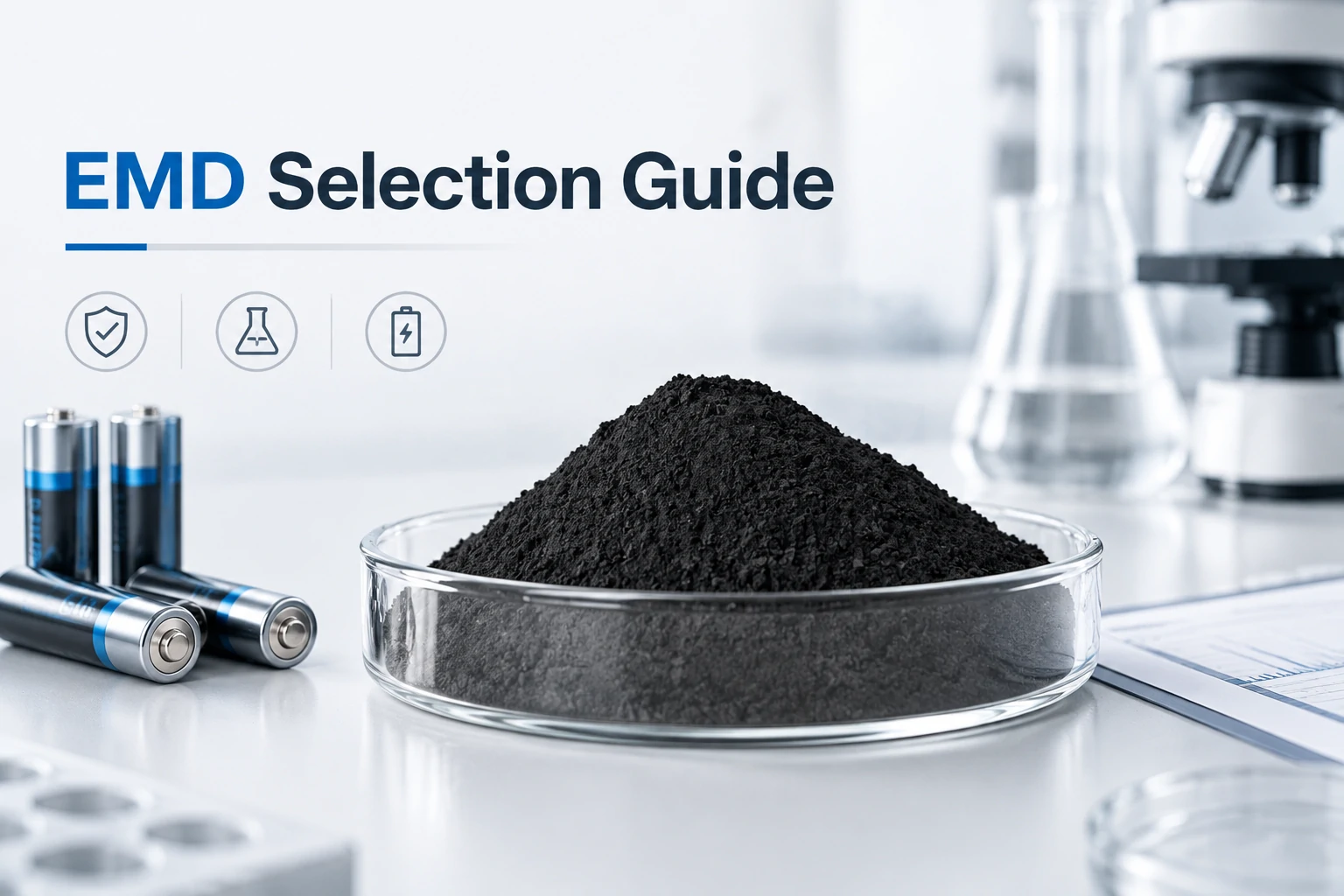
A useful EMD inquiry should describe the application instead of asking only for a product name. Start with the end use, annual or trial requirement, target chemical limits, physical-form expectations, and the process stage where the material will be introduced. If the material is intended for an electrochemical formulation, include relevant electrode, electrolyte, or performance requirements that the supplier is permitted to review. Also request the current technical datasheet, certificate or test report format, safety information, packaging options, storage guidance, and sample-qualification procedure. Because no EMD model, grade, capacity, price, minimum order quantity, or delivery commitment is provided here, those points must be confirmed directly with QingChong New Materials. It is also sensible to ask whether the proposed grade is a standard product or requires technical adjustment, and which properties can be controlled consistently. A clear inquiry helps the manufacturer assess fit without making assumptions. Buyers can then compare the proposed material against internal specifications, run a controlled trial, and document the acceptance criteria before moving to regular procurement.

News

Industry updates

Products

Production modules

Why Choose Us

A Manganese Partner Built Around Quality and Long-Term Supply

QingChong New Materials offers a focused manganese-chemicals profile rather than presenting itself as a general industrial materials trader. The company is located in Xiangtan, one of China’s important manganese production bases, and has more than 20 years of industry experience. Its R&D, production, and sales functions are integrated, giving overseas buyers a single organization for technical communication and commercial coordination. Quality management is supported by ISO9001:2008 certification, passed in July 2010, and the company was certified as a National High-tech Enterprise in September 2019. It has also obtained multiple invention patents in cooperation with local universities, reflecting an approach that connects manufacturing with technical development. For international projects, a multilingual website available in 14 languages and established export capabilities can make communication more practical across regions. These qualifications do not replace application testing or a review of the current EMD datasheet, but they provide useful background when buyers are screening potential manganese dioxide suppliers. QingChong’s stated principles—quality as the foundation of enterprise survival and integrity as the foundation of enterprise development—fit projects where consistency, documentation, and direct communication matter.

FAQ

Common technical questions

Is EMD the same as every type of manganese dioxide?

No. EMD specifically refers to electrolytic manganese dioxide, while manganese dioxide materials made by other routes may have different chemical, physical, or electrochemical characteristics. Confirm the production route and grade-specific datasheet before substitution.

Can EMD be used in battery-related applications?

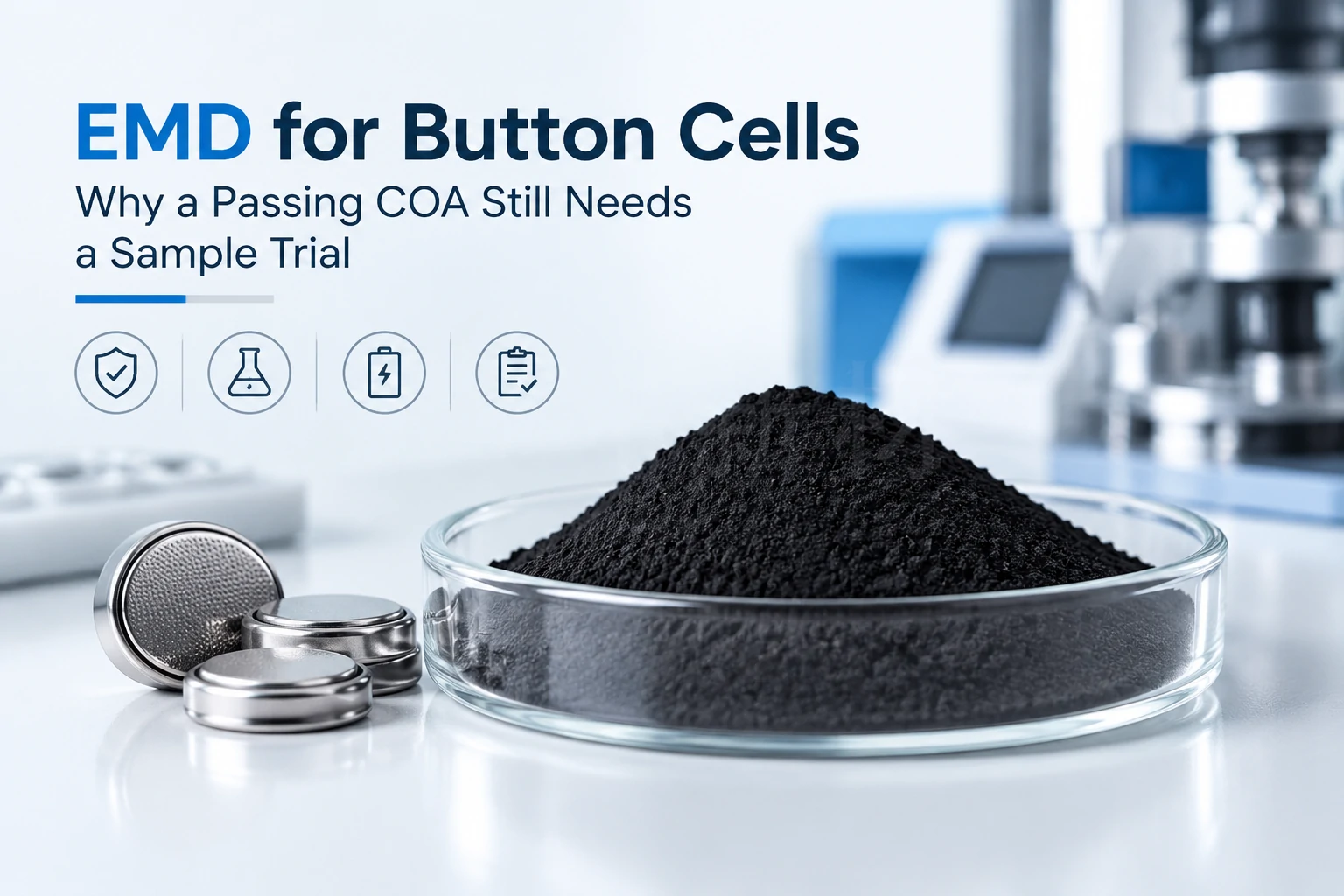
It may be considered for certain battery-related formulations, but suitability depends on the required electrochemical performance, formulation, processing conditions, and acceptance limits. Request application-specific technical information and qualify the material through controlled testing.

Which documents should I request before approving an EMD supplier?

Ask for the current technical datasheet, specification limits, test methods, representative test documentation, safety information, packaging and storage guidance, and any available sample-qualification instructions. Confirm which values are guaranteed limits and which are typical results.

How should I prepare an EMD usage inquiry?

State the end application, process stage, required chemical and physical properties, trial or regular procurement status, packaging expectations, and destination market. If a company specification exists, share the relevant limits so the supplier can assess fit without relying on assumptions.

Need a solution for your project?

Share your product type, target capacity, and application requirements. Our team can review the details and recommend a practical next step.

Contact Us
Whatsapp
WeChat

CONTACT US

Office Address:21/F,Zhonghan Fortune Building,Ji'an Road, Yuetang District,Xiangtan,Hunan,China

Factory Address: Heling Town, Yuhu District, Xiangtan City, Hunan Province, P.R.China

WhatsApp: 8613786275365

Fax: 86-731-52326088

E-mail: [email protected]