 EN
EN
 CN
CN
 fr
fr es
es ar
ar ru
ru de
de pt
pt tr
tr vi
vi it
it ja
ja ko
ko hi
hi
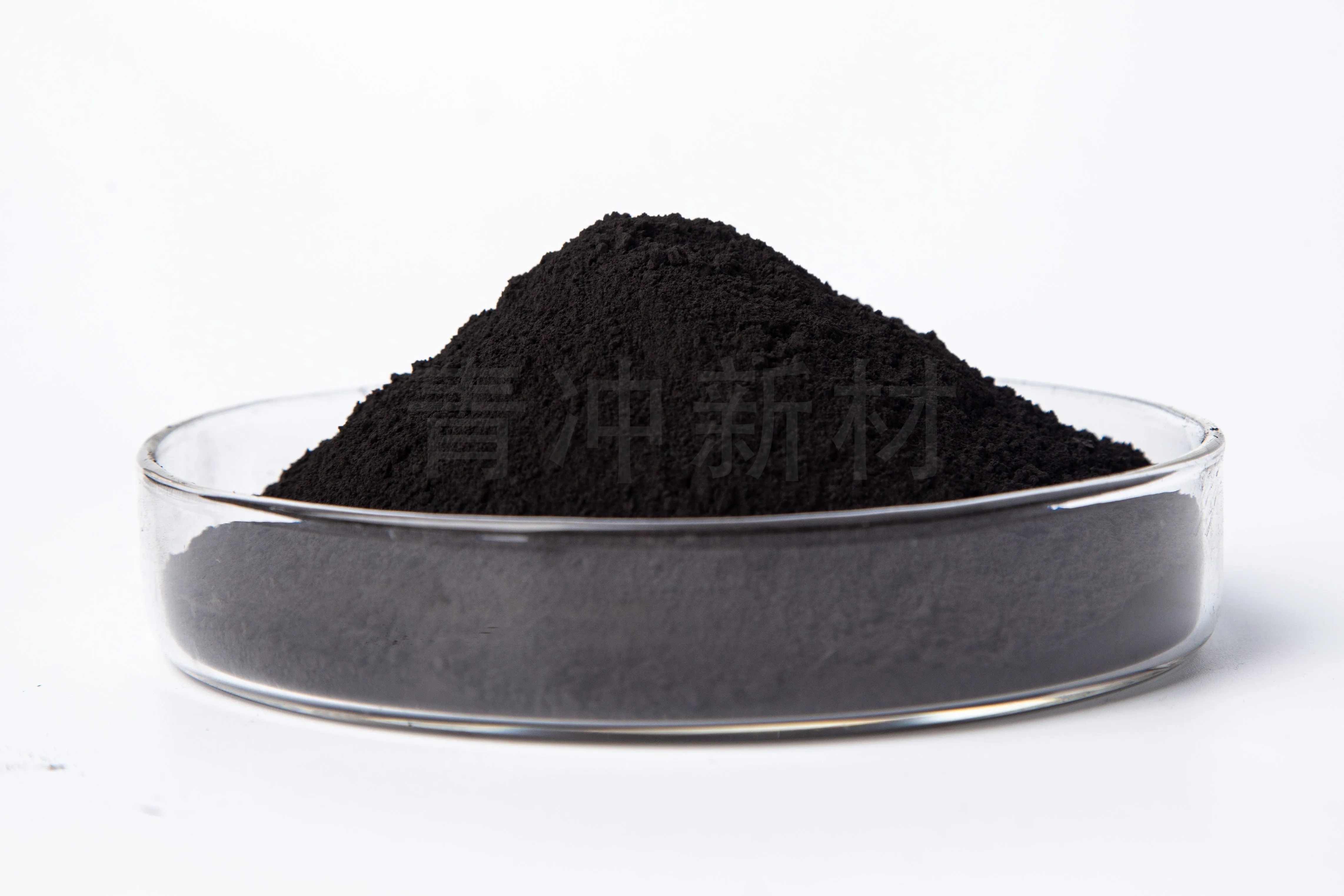
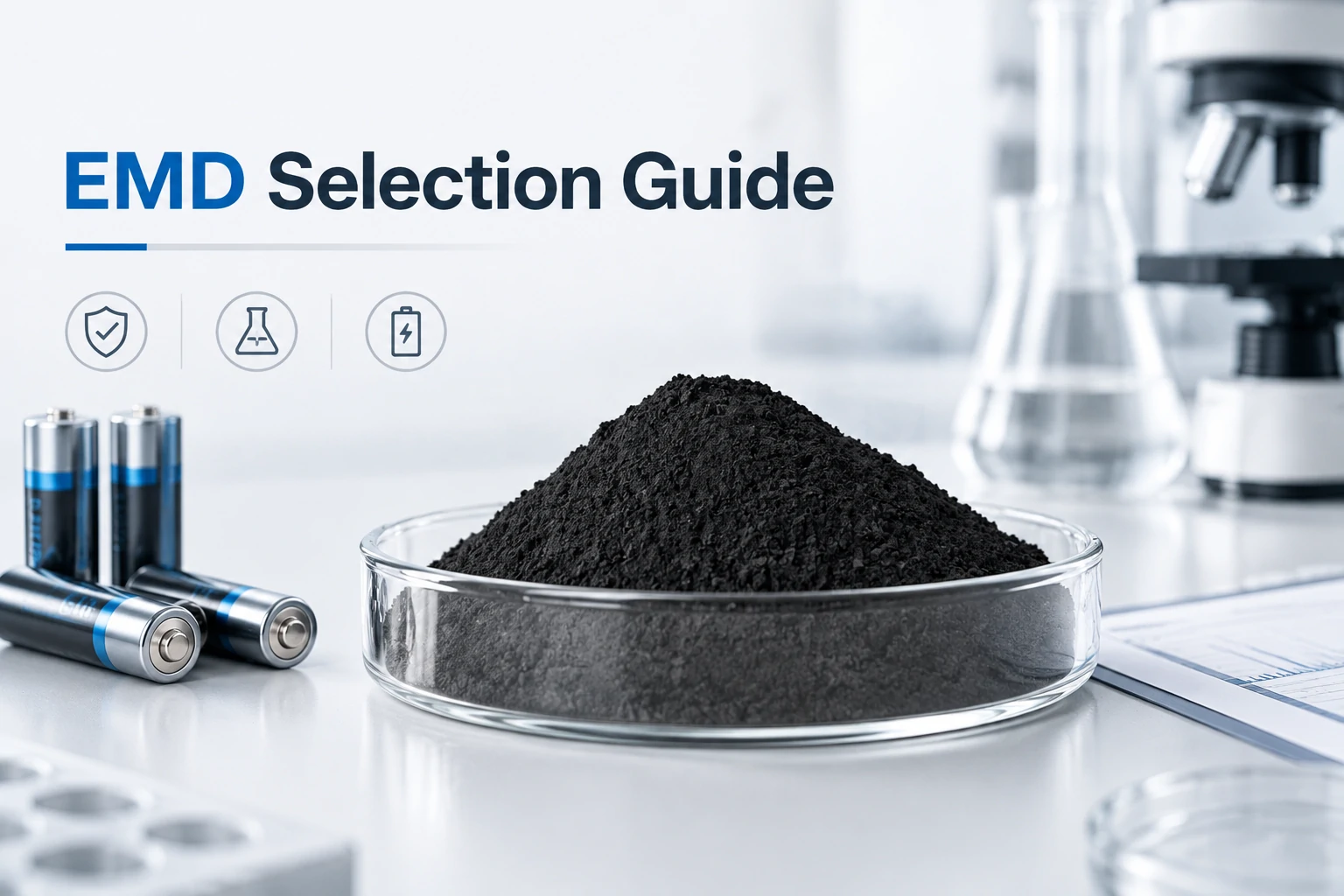
How EMD Functions in an Alkaline AA Cell
In an alkaline AA battery, EMD serves as the manganese dioxide active material in the positive electrode. During discharge, the cathode reaction takes place alongside the anode reaction, with the electrolyte supporting ion transport through the cell. This role explains why an EMD grade cannot be judged by its chemical name alone: material properties can influence how it behaves in an electrode mix and under the cell’s operating conditions. The battery manufacturer’s formulation, including the proportions and processing of its components, also affects the finished cell. For that reason, a material intended for one manganese dioxide application should not automatically be assumed to suit an alkaline AA design. The available information for QingChong does not specify an EMD grade or provide electrochemical or physical parameters. Ask for the grade’s technical documentation and determine how its stated properties relate to the electrode process used in your plant. If the supplier’s documentation does not identify test methods or application boundaries, resolve those points before running a production trial. This keeps the discussion focused on measurable material behavior rather than an application label.